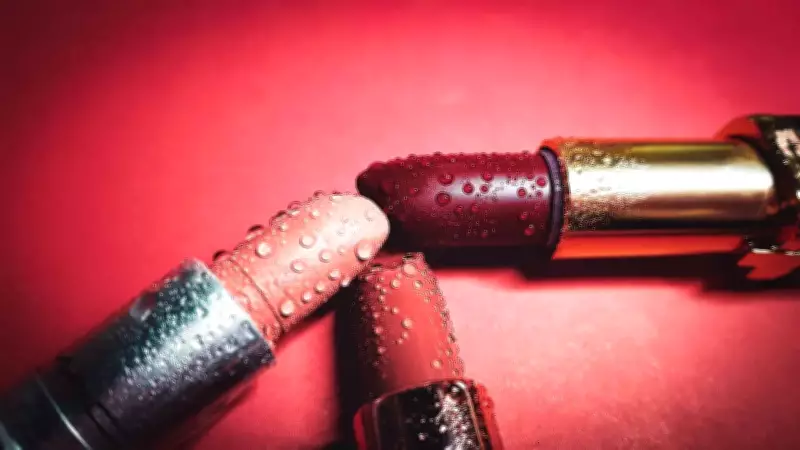
A swipe of lipstick can instantly elevate your look, but have you ever wondered what's really inside your favorite tube? While most lipsticks on the market are considered safe when used as directed, scientific research has raised concerns about certain chemicals and contaminants that may be present in some formulations. Studies published in PubMed, the U.S. National Library of Medicine's database of biomedical research, and available through PubMed Central (PMC) have examined ingredients such as heavy metals, parabens, phthalates, and formaldehyde-releasing preservatives commonly found in cosmetics. Since lipstick is applied directly to the lips and small amounts can be ingested throughout the day, understanding what goes into these products can help consumers make more informed choices. Here's a closer look at five ingredients you may want to watch out for and the safer alternatives to look for instead.
Can Lipstick Really Cause Cancer?
There is currently no conclusive evidence that using lipstick directly causes cancer. However, scientific studies have identified certain substances in cosmetics that may have carcinogenic or hormone-disrupting properties. Researchers emphasize that the concern is not a single application but repeated exposure over many years. Therefore, consumers should be aware of potentially harmful ingredients and choose products from reputable brands that follow strict safety standards.
5 Harmful Ingredients to Watch Out For
1. Heavy Metals (Lead, Cadmium, Chromium)
Heavy metals are not intentionally added to most lipsticks but can appear as contaminants in pigments and raw materials. Studies have detected varying levels of lead, cadmium, chromium, and other metals in lip products. Long-term exposure to some of these metals has been associated with neurological, kidney, and potential carcinogenic effects. Researchers have called for stricter monitoring and quality control in cosmetic manufacturing.

2. Parabens
Parabens are preservatives commonly used to prevent the growth of bacteria and mold in cosmetics. Some studies suggest that parabens can mimic estrogen in the body, leading to concerns about hormone disruption. While regulatory agencies permit certain levels of parabens, many consumers prefer paraben-free products as a precaution.
3. Formaldehyde-Releasing Preservatives
You may not see "formaldehyde" listed on a lipstick label, but preservatives such as DMDM hydantoin, imidazolidinyl urea, and quaternium-15 can release small amounts of formaldehyde over time. Formaldehyde is a known human carcinogen in certain exposure settings, making these preservatives an ingredient many experts recommend avoiding when possible.
4. PEG Compounds (Polyethylene Glycols)
PEG compounds are often used to improve texture and moisture retention. Some researchers have raised concerns that poorly purified PEG ingredients may contain trace contaminants formed during manufacturing. Although PEGs are widely used in cosmetics, consumers seeking cleaner formulations often choose PEG-free alternatives.
5. Phthalates
Phthalates are chemicals sometimes used in fragrances and cosmetic formulations. Research has linked certain phthalates to endocrine disruption and reproductive health concerns. Because fragrance blends can contain undisclosed ingredients, many dermatologists recommend choosing fragrance-free or transparently labeled products.
What Ingredients Should a Safer Lipstick Contain?
When shopping for lipstick, look for products formulated with nourishing and skin-friendly ingredients such as the following:
- Shea butter
- Cocoa butter
- Beeswax
- Candelilla wax
- Sunflower seed oil
- Jojoba oil
- Coconut oil
- Castor oil
- Vitamin E (tocopherol)
- Hyaluronic acid
- Plant-based pigments
- Natural antioxidants
These ingredients help moisturize the lips, improve comfort, and reduce the need for potentially harsh additives.

How to Choose a Safer Lipstick
- Buy from reputable brands with transparent ingredient lists.
- Check for heavy metal testing and safety certifications.
- Choose paraben-free and formaldehyde-free formulations if preferred.
- Avoid counterfeit or unregulated products.
- Replace old lipsticks regularly and store them properly.
The Bottom Line
Lipstick remains a beauty staple for millions of women worldwide, and most products on the market are considered safe when used as intended. However, being aware of ingredients such as heavy metals, parabens, formaldehyde-releasing preservatives, PEG compounds, and phthalates can help you make more informed choices. Reading labels and opting for high-quality formulations with nourishing ingredients is one of the simplest ways to protect both your beauty routine and your long-term well-being.