

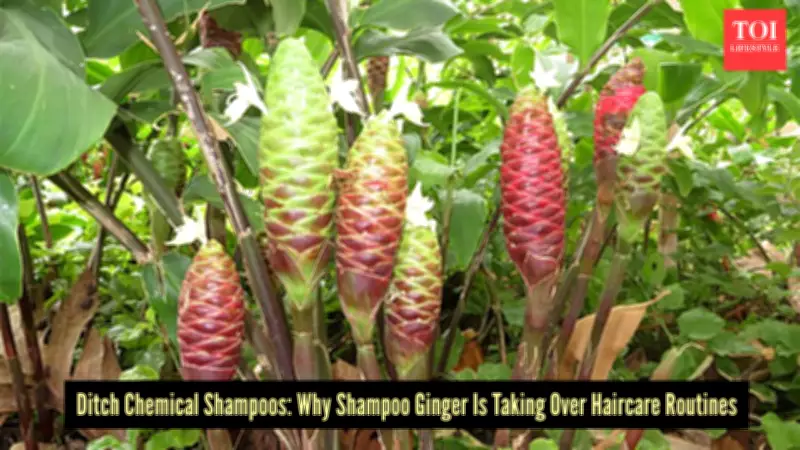
Shampoo Ginger: The Ancient Hawaiian Secret for Natural Hair Care
Have you ever considered using a tropical plant as your primary hair cleanser? While it might sound unconventional, there is a remarkable plant currently revolutionizing the beauty industry that could transform your entire shower routine. This botanical wonder is known as Shampoo Ginger, scientifically referred to as Zingiber zerumbet. For centuries, Native Hawaiians have cherished this plant, calling it Awapuhi, long before commercial conditioners and shampoos were ever invented.
Harvesting Nature's Best Kept Secret
The true magic of Shampoo Ginger resides in its distinctive flower head. As the plant matures, it produces a vibrant, red cone composed of overlapping bracts. Hidden within these small pockets is a pure, clear, and sweet-smelling sap with a slippery, gel-like consistency. The most remarkable aspect is that harvesting this natural shampoo does not harm the plant. Simply locate a mature red cone—though younger green cones are also effective—and gently squeeze it while still attached to the stalk. The liquid will ooze out effortlessly, similar to water from a sponge. Astonishingly, if left undisturbed, the cone will naturally refill with sap within a day or two, showcasing a truly sustainable beauty solution.
Once you have collected the sap into a container, it is advisable to strain it through a fine-mesh strainer or cheesecloth to remove any impurities, such as stray bugs or dirt. A practical tip: fresh extract has a limited shelf life and may spoil in the refrigerator after a few days. To extend its usability, pour the strained sap into an ice cube tray and freeze it. This allows you to conveniently thaw a cube whenever wash day arrives.

How to Actually Use Shampoo Ginger Sap
Incorporating this tropical gel into your hair care routine is incredibly versatile. Here are several effective methods:
- The Gentle Wash: Use it as a direct shampoo by wetting your hair, applying the liquid to your scalp, and massaging it in. Unlike commercial shampoos, it does not produce a massive lather but offers a slippery, slightly sudsy texture that cleanses effectively.
- The Deep Condition: For added moisture, apply the sap from roots to tips after washing. Leave it on for three to five minutes to allow absorption, then rinse thoroughly.
- The Frizz-Fighting Leave-In: This method is a game-changer. Apply a small amount to damp, towel-dried hair, comb through, and let it air dry. It dries clear, avoids a crunchy feel, and leaves a pleasant ginger-lily scent.
- The Scalp Soother: If your scalp is dry or irritated, massage the sap directly into dry roots. Let it sit as a pre-wash mask for 10 to 15 minutes before showering.
The Science Behind the Slippery Sap
This is not merely an internet trend; there is solid botanical science supporting Shampoo Ginger's efficacy. The sap contains saponins, which are natural, plant-based surfactants that gently foam to bind with dirt and excess oil, cleansing without stripping the hair's natural oils. Additionally, it includes zerumbone, a potent compound with significant anti-inflammatory and antimicrobial properties, ideal for addressing itchy scalps or dandruff-causing microbes.
Furthermore, the slippery texture is due to natural mucilage, a film-forming agent that coats hair strands, locks in moisture, and smooths the cuticle. The result is exceptionally soft, shiny hair with reduced frizz, prompting reflection on why synthetic chemicals ever became the norm in hair care.

