

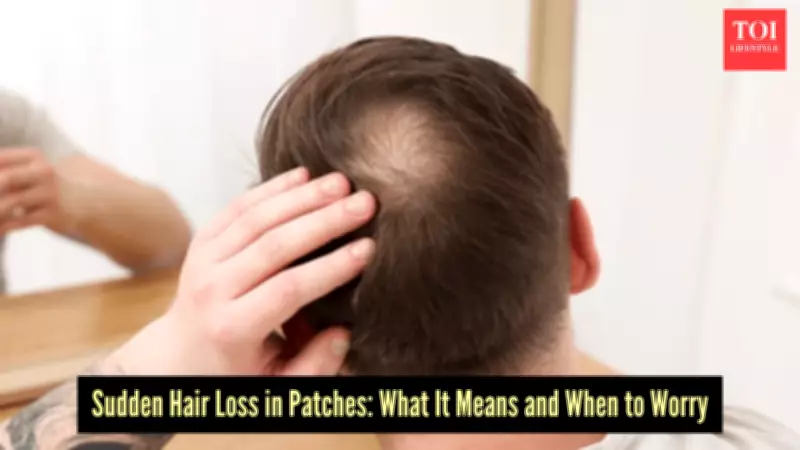
Sudden Bald Patches on Scalp: Decoding Your Hair's Silent Messages
While casually brushing or oiling your hair, spotting a sudden bald patch around the backside of your scalp or near the crown region can be alarming. Your hair often reflects internal bodily processes, serving as a visible indicator of underlying health issues. Patchy hair loss is rarely random; it typically signals responses to stress, autoimmune reactions, or other imbalances. Understanding the root cause is crucial for effective treatment and recovery. Here is a comprehensive, well-researched breakdown of what your hair might be communicating through these unexpected bald patches.
Autoimmune Alarm: Alopecia Areata
If you notice round, smooth bald patches on your scalp, this could indicate an autoimmune condition known as alopecia areata. In this disorder, the body's immune system mistakenly attacks hair follicles, leading to hair loss. Triggers often include genetic predispositions and environmental factors. The encouraging aspect is that hair follicles are not permanently damaged in most cases, allowing for potential regrowth. Look for coin-sized patches with a sudden onset, typically without redness or scarring, as key signs of this condition.
Hormonal Imbalances and Hair Health
Hormones play a pivotal role in regulating the hair growth cycle. Disruptions due to postpartum changes, thyroid disorders, or polycystic ovary syndrome (PCOS) can lead to patchy or diffuse thinning. Accompanying symptoms may include acne, weight fluctuations, and irregular menstrual cycles. Hair loss in this context is a visible sign that your endocrine system requires attention, highlighting the need for medical evaluation and management.

Nutrient Deficiencies: When Your Body Is Underfueled
Low levels of essential nutrients such as iron, vitamin D, vitamin B12, and protein can weaken hair follicles, resulting in shedding or patchiness. Additional signs include brittle hair, intense hair fall, fatigue, pale skin, and persistent weakness. This scenario indicates that your body is craving nutrients to sustain vital functions, with hair growth being deprioritized as non-essential, making it one of the first areas to suffer.
Stress Overload and Its Impact on Hair
Experiencing emotional trauma, physical stress from illness, intense weight loss, or burnout can trigger rapid hair shedding across the scalp. Initially, you might notice thinning hair, followed by the development of a single clean patch. This shedding typically begins two to three months after the stressful event. In such cases, your body prioritizes survival over hair growth, but the condition is often temporary and reversible with proper stress management and care.
By recognizing these signals and addressing the underlying causes, you can take proactive steps toward healthier hair and overall well-being. Always consult a healthcare professional for accurate diagnosis and tailored treatment plans.

