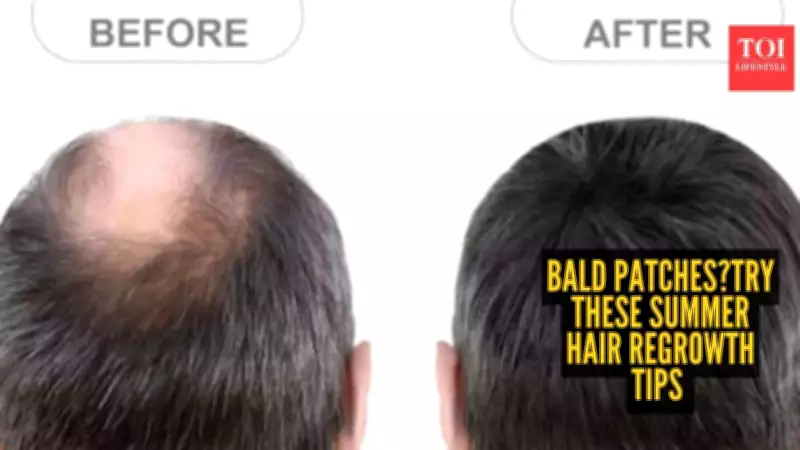
5 Easy Summer Hair Regrowth Tips for Bald Patches
Summer can be surprisingly harsh on hair. One moment your hair feels normal, and the next you notice a thinning spot near your temple or a patch at the crown that wasn’t there before. Sweat, heat, dust, hard water, and stress—Indian summers throw everything at your scalp simultaneously.
Honestly, spotting your scalp where thick hair used to be can feel unsettling. You start checking mirrors more often. Photos become stressful. Hair suddenly feels deeply personal.
The reassuring part? Bald patches don’t always mean permanent hair loss. In many cases, the scalp is simply stressed, overheated, or undernourished. When you calm things down and provide the right environment, regrowth often follows naturally.

You don’t need complicated routines or expensive treatments. Small, steady habits usually work better than dramatic fixes.
Cool Your Scalp Before You Try Anything Else
Most people rush straight to oils and masks. But summer hair loss often begins with one simple problem—the scalp is too hot.
Think about a typical Indian summer day. You step outside, sweat builds instantly, dust sticks to the scalp, and natural oils mix with pollution. Hair follicles get clogged. Roots weaken. Shedding increases without warning.
Hair grows best when the scalp feels clean and comfortable, not greasy or suffocated.
So start simple. Wash your hair regularly instead of stretching wash days too long. Use lukewarm or slightly cool water. Hot showers feel relaxing, but they irritate the scalp and increase oil production.
And try this small habit that actually helps: a two-minute fingertip massage before sleeping. No oil needed. Just gentle circular movements. It improves blood flow and wakes up sluggish follicles.
Sometimes regrowth begins when you stop overheating the roots.
Oil Your Hair Wisely, Not Heavily
We’ve all grown up hearing the same advice—apply more oil and hair will grow faster. But summer changes the rules.
Heavy oil sitting on a sweaty scalp can trap heat and bacteria. Instead of helping, it may worsen thinning areas.
Light oiling works better during hot months. A little coconut oil mixed with a few drops of castor oil is usually enough. Focus only on the scalp. Massage softly. Leave it on for about half an hour and wash it off.
Overnight oiling isn’t necessary unless your scalp feels extremely dry. And honestly, consistency matters more than how much oil you apply.
Twice a week is enough. Your scalp should feel nourished, not sticky.
What You Eat Quietly Shows Up in Your Hair
Hair regrowth rarely starts in the bathroom. It starts in the kitchen.
Many people dealing with bald patches are actually dealing with nutritional gaps without realizing it. Skipped meals, dieting trends, irregular eating schedules—modern routines often leave hair follicles underfed.
Hair needs protein, iron, and healthy fats to grow. Without them, follicles slowly shift into rest mode.
Simple Indian foods help more than complicated supplements. Soaked almonds in the morning. Curry leaves added to dal or chutney. Homemade ghee in small amounts. Paneer, eggs, or lentils for protein. Seasonal fruits that hydrate the body from within.
And water matters more than we admit. Dehydration makes hair fragile. During summer, drink water even before you feel thirsty.
Hair responds quietly to nourishment. Give it a few weeks, and you’ll often notice softer baby hair appearing first.
Stop Pulling, Heating, and Stressing Your Hair
Not all hair loss comes from health issues. Sometimes it comes from habits.
Tight buns, sleek ponytails, extensions, frequent straightening—all of this puts constant tension on hair roots. Over time, follicles weaken and small bald patches form, especially near the hairline.
Summer makes hair even more vulnerable because sweat softens the hair shaft.
So loosen your hairstyles. Let your scalp breathe. Skip heat tools whenever possible and allow hair to air dry. Use a wide-tooth comb instead of aggressive brushing when hair is wet.
It sounds almost too simple, but many people notice regrowth once they stop stressing their hair daily.
Sometimes healing begins when you stop interfering.

Bring Back Traditional Scalp Care
Indian hair care traditions existed long before modern serums and treatments. And many of them still make sense today.
Herbal scalp packs can gently stimulate dormant follicles without irritating the skin. A simple mix of amla powder, bhringraj powder, and fresh aloe vera works beautifully in summer. Apply it to the scalp, leave it on for twenty minutes, then rinse.
The scalp feels calmer almost immediately.
Some people also swear by onion juice on thinning patches once a week. Yes, the smell is strong. But sulphur compounds improve circulation and support healthier growth cycles.
Natural remedies don’t work overnight. But when used regularly, they help create the right conditions for hair to return.
Why Bald Patches Feel Worse in Summer
Many people notice increased hair fall between April and August and assume something serious is wrong. Often, it’s seasonal.
Heat increases sweat and oil production. Sun exposure weakens hair strands. Stress levels rise. Hydration drops. All of this pushes hair into a temporary shedding phase.
Hair grows in cycles, and shedding phases can look dramatic even when follicles are still alive underneath.
But there are moments when professional advice becomes necessary. If patches become completely smooth, expand quickly, or feel itchy or inflamed, a dermatologist should evaluate the scalp. Conditions like alopecia areata or fungal infections need medical treatment alongside home care.
Listening to your scalp matters.
The Truth About Hair Regrowth
Social media loves fast results. Seven-day growth challenges. Overnight miracle oils. Instant transformations.
Real hair doesn’t work that way.
Hair grows slowly—roughly one centimetre a month. Regrowth begins invisibly beneath the skin long before you notice it in the mirror.
What actually helps is boring consistency. Gentle care. Regular meals. Less stress. Small routines repeated daily.
Most people start seeing tiny baby hairs within two or three months when they stay patient. And those tiny strands are a big sign that follicles are alive and recovering.
Bald patches can feel emotional. Hair carries confidence, identity, even comfort. But panic rarely helps the process.
Be kinder to your scalp. Give it rest, nourishment, and time.
Because fuller hair usually returns not through drastic change, but through quiet, steady care that your hair learns to trust again.