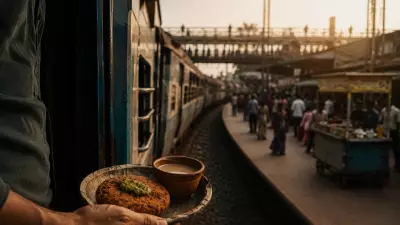
In an age marked by rapid change and cultural homogenization, the quest for belonging has become a profound and often painful journey. The feeling of being adrift, disconnected from one's heritage, is a silent fracture that many carry within. This article reflects on the experience of returning to one's roots and the deep sense of unity that comes from standing on ancestral ground.
The Weight of Erasure
Erasure takes many forms: the loss of language, the fading of traditions, the quiet disappearance of stories once passed down through generations. For those who have lived away from their homeland, this erasure can feel like a slow amputation of the self. The years spent in distant lands often leave a void, a sense of incompleteness that no amount of success or adaptation can fill.
Finding Wholeness in Return
To stand on the land of one's ancestors is to bridge the gap between past and present. It is not merely a physical act but a spiritual reunion. In that moment, the fracture begins to heal. The soil underfoot holds the footsteps of those who came before, and to stand on it is to stand with them, not just after them. This is where one feels whole again, where the quiet fracture carried for years finally begins to close.

A Personal Reflection
The author shares a deeply personal account of returning to a place that holds the essence of their identity. The journey is not just geographical but emotional, a pilgrimage to reclaim what was nearly lost. The sense of belonging is not given but rediscovered, a testament to the resilience of the human spirit.
The Broader Context
This story resonates beyond one individual. Across the world, communities are grappling with the forces of globalization, migration, and cultural erosion. The search for identity is a universal struggle, and the act of returning to one's roots is a powerful statement against erasure. It is a declaration that heritage matters, that the past is not a relic but a living part of who we are.
In a time when so much is being forgotten, the choice to remember is an act of resistance. To stand on ancestral land is to affirm that we are not alone, that we are part of a continuum that stretches back through time. It is a quiet but profound victory over the forces that seek to erase us.
Conclusion
The quest for belonging is not about finding a place in the world but about reconnecting with the place that has always been within us. It is a journey that requires courage and vulnerability, but the reward is immeasurable: a sense of wholeness that no amount of distance can take away. In the end, to stand on the ground of one's ancestors is to stand with them, and in doing so, to find oneself.