Eid ul-Fitr 2026 in India: Awaiting the Crescent Moon and Festive Joy
The holy month of Ramadan is drawing to a close for this year, with Muslim communities across the globe eagerly anticipating the celebration of Eid ul-Fitr, the festival of breaking the fast. This joyous occasion marks the culmination of a month dedicated to spiritual reflection, dawn-to-dusk fasting, and acts of quiet generosity.
Expected Date of Eid ul-Fitr 2026 in India
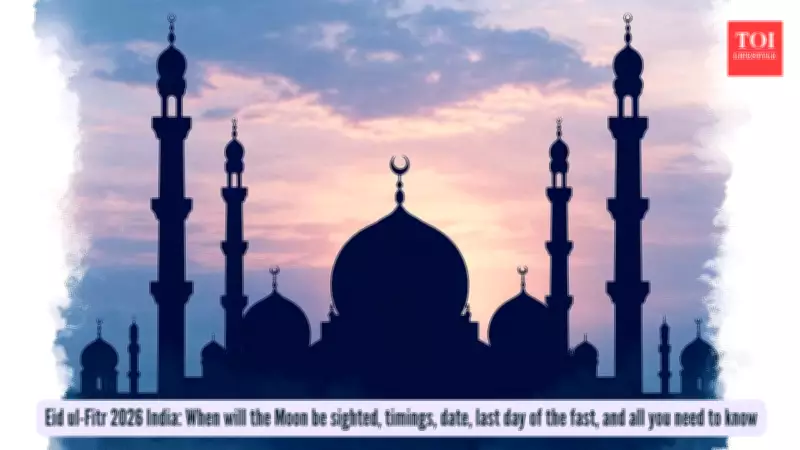
In India, Eid al-Fitr or Eid ul-Fitr in 2026 is projected to occur on either Friday, March 20, or Saturday, March 21. The precise date hinges entirely on the sighting of the Shawwal crescent moon, known as Chand Raat. According to astronomical predictions from DrikPanchang, Ramadan is expected to conclude around March 19. If the crescent moon is successfully sighted on the evening of March 19, Eid will be celebrated on March 20. Should the moon not be visible, communities will complete a full 30 days of fasting, pushing the festival to March 21.
Moon Sighting Timings and Predictions for 2026
Astronomers provide valuable insights into moon visibility, though the final declaration always rests with actual sightings by local moon-sighting committees. The International Astronomical Centre indicates that the crescent moon should be visible in parts of West Asia on March 19. This suggests that countries in that region might celebrate Eid on March 20, provided clear skies allow for observation. In India, similar conditions will determine the nationwide announcement, emphasizing the blend of science and tradition in this religious observance.

Chand Raat: The Night of the Moon and Its Celebrations
Chand Raat, translating to "night of the moon," is a vibrant prelude to Eid al-Fitr. Families gather after sunset, eagerly scanning the skies for the first glimpse of the Shawwal crescent. Once sightings are confirmed and announced from mosques, celebrations ignite. Markets come alive, buzzing with activity late into the night as people shop for new clothes, sweets, and gifts. Homes resonate with laughter and excitement; women adorn their hands with intricate mehendi designs, children try on their festive outfits, and kitchens are filled with the aromatic preparations of traditional dishes like seviyan simmering in milk.
The Spiritual Meaning and Festive Celebrations of Eid
Eid ul-Fitr, meaning "festival of breaking the fast," symbolizes the successful completion of Ramadan's disciplined practices of fasting, prayer, and charity. The day begins with Zakat al-Fitr, a form of charitable giving to ensure all can partake in the festivities. This is followed by special Eid prayers, often held in open fields or large mosques, where communities unite in gratitude. Families and friends reunite over lavish feasts featuring beloved dishes such as biryani, sheer khurma, and seviyan. The exchange of Eidi gifts adds to the joy, strengthening bonds and spreading happiness. Streets hum with last-minute bustle, mehendi artists work diligently, markets glow with sequined outfits, and the air is thick with the spirit of generosity and togetherness, making Eid not just an end to fasting, but a heartfelt embrace of community and thankfulness.