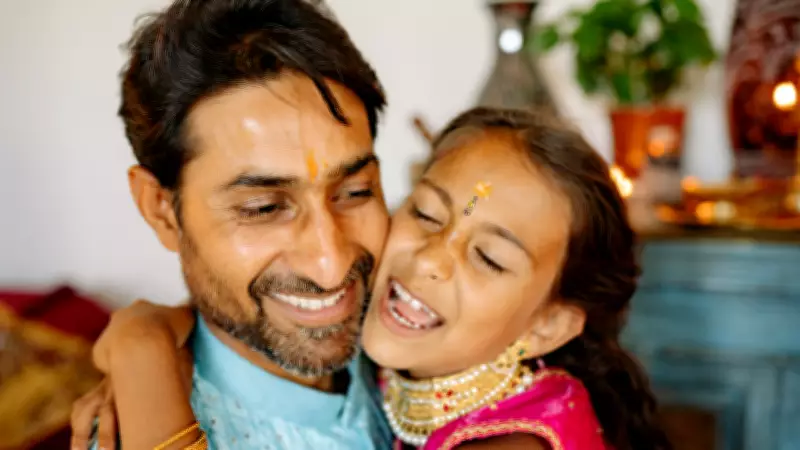
For generations, Indian dads have been taught that love is something you show, not something you say. They may struggle to say "I love you" out loud, but they will wake up at 5 a.m. to drop you at the railway station. They may never say they are worried, but they will call three times if you do not pick up your phone. Their affection often hides behind practical questions, financial advice, reminders to carry an umbrella, and silent sacrifices that go unnoticed until much later.
This Father's Day, let us take a look at nine things Indian dads rarely say, but somehow manage to show every single day.
"I Miss You"
An Indian father may never call and say, "Beta, I miss you." Instead, he will ask, "When are you coming home?" or "Office ka kaam bahut hai kya?" The words are different, but the emotion is the same. Many children who move away for studies, work, or marriage know this feeling well. Dad will not openly admit that the house feels quieter without you. But he will casually mention that your favourite snacks are still lying in the kitchen or that the neighbour's son visited and asked about you. That is often his way of saying he misses you.

"I'm Proud of You"
Indian dads have a unique way of celebrating achievements. You get promoted. He responds with, "Good. Keep working hard." You buy your first house. He says, "Now focus on saving." You receive an award. He asks, "What's next?" For years, many children mistake this as him ignoring the achievement. But later, they discover that Dad has already informed every relative, neighbour, family friend, and even the local grocery shop owner about the achievement. He may not say, "I'm proud of you" directly. But trust him to become your unofficial PR manager.
"I Love You"
Perhaps the most famous unsaid sentence in Indian households. Many fathers belong to a generation where expressing emotions openly felt uncomfortable. Yet their love showed up everywhere. In the countless things they gave up so you could have opportunities they never had. For many Indian dads, love has always been an action rather than a sentence.
"Thank You"
Indian parents, especially fathers, often see caring for their family as a responsibility rather than something deserving appreciation. As a result, they rarely say thank you. You may spend hours teaching them how to use a smartphone. You may help with hospital visits, online payments, or household responsibilities. Instead of saying "thank you," Dad might simply ask if you have eaten. Or suddenly bring home your favourite sweets. Or quietly transfer money into your account when you least expect it.
"Take Care of Yourself"
This is one sentence Indian fathers say indirectly almost every day. They will not deliver a heartfelt speech about self-care. Instead, you will hear: "Khana kha liya?" "Why are you awake so late?" "Carry a jacket, thand lag jaayegi." "Text me when you reach." The questions may sometimes feel repetitive or even annoying. But beneath every reminder is a simple message: Take care of yourself.
"I'm Worried About You"
Indian dads are masters at hiding anxiety. Whether you are appearing for an exam, attending a job interview, travelling alone, or going through a difficult phase, they often pretend everything is normal. But watch closely. They will keep checking their phone. They will ask your mother for updates. They will suddenly call for seemingly unrelated reasons. The concern is always there. It is just wrapped in practical conversations.
"I Need Help"
Many fathers grew up believing they should always be the problem-solvers, the providers, and the protectors. The people who have all the answers. As they grow older, asking for help can feel uncomfortable. Instead of openly admitting they need assistance, they may spend 20 minutes trying to fix a phone issue before reluctantly calling you. Or insist they can carry heavy bags even when they clearly should not. For many Indian dads, saying "I need help" remains difficult, even when they need it most.

"I Want You to Have a Better Life Than I Did"
Few sentences capture the Indian parenting experience more accurately. Many fathers worked long hours, skipped personal dreams, and made financial sacrifices so their children could have opportunities they never received. They may not talk about those sacrifices often. But every extra class they paid for, every train journey they took to save money, and every expense they postponed tells the story. When they encourage you to study more, they are often expressing a deeper wish: "I hope your life is easier than mine was."
"I'm Sorry"
This may be one of the hardest things for many Indian dads to say. Not because they do not feel regret. But because emotional conversations were rarely common for them while growing up. Sometimes they realise they were too strict. Sometimes they know they misunderstood a situation. Sometimes they wish they had expressed more affection. Instead of apologising directly, they may soften over time. They may become gentler, more supportive, or simply start showing up differently. Their apology often comes through changed behaviour rather than spoken words.
Indian fathers may never become experts at emotional speeches. They may never send long text messages saying exactly how they feel. But their love often exists in the spaces between words. This Father's Day, perhaps it is worth remembering that some of the deepest expressions of love are not spoken at all. They are simply lived, every single day.