The FIFA World Cup is not just a sporting event; it is a grand festival of fandom, a carnival of culture, and a hotspot of humanity's best moments. As Bill Shankly famously said, football is much more serious than life and death. This sentiment is best understood by the fans who travel far and wide, wake up at odd hours, and dedicate themselves to the beautiful game. In 2018, when South Korea defeated Germany in Kazan, Mexican fans erupted in celebration because it meant their team advanced. They carried South Korean flags, chanted Korean slogans, and even crowdfunded beer for the South Korean embassy staff. Such gloriously absurd moments could only happen at the World Cup.
The 2026 World Cup: A New Chapter
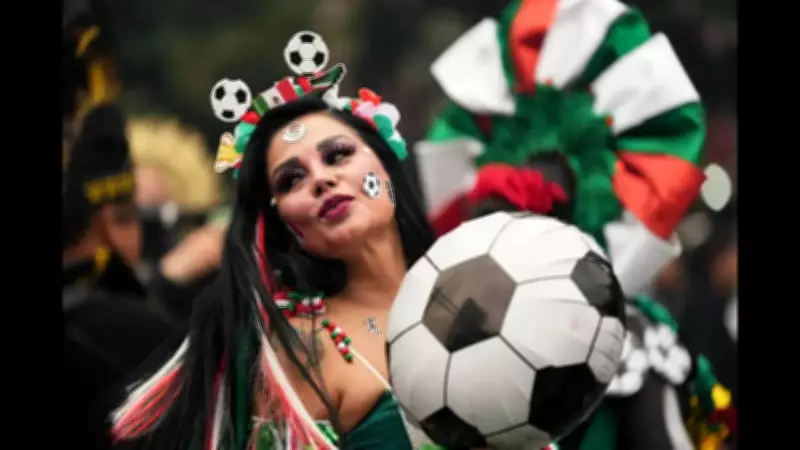
In 2026, the World Cup is hosted by the USA, Canada, and Mexico. When South Korea defeated Czechia in the group stage, Mexican fans in Guadalajara and Mexico City celebrated as if Mexico had won. They lifted South Korean fans into the air and danced to 'Gangnam Style'. This emotional connection, born from the 2018 moment, shows how football creates bonds that transcend borders. In India, fans set alarms for early morning kick-offs, negotiate TV rights, and convince families that watching Argentina vs. Mexico is a life lesson. The World Cup disrupts routines but brings unparalleled joy.
Fans as the Heart of the Tournament
The most enduring memories of the World Cup come from the fans. Japanese supporters clean stadiums after matches, Icelandic fans popularized the Viking Clap, Scottish bagpipers become attractions, and Argentinians turn any corner into Buenos Aires. These fan moments are as compelling as the game itself. Social media and television now highlight colorful supporters, making them central to the narrative. Fans provide the texture and stories that transcend statistics. A supporter dressed as a Viking warrior or a bagpiper in a fan zone creates lasting memories.

Cultural Exchange and Human Connection
The World Cup is a modern pilgrimage. Fans save for years, cross continents, and sacrifice holidays to be part of the atmosphere. Argentinians, Brazilians, Moroccans, and Mexicans travel in astonishing numbers. They create shared spaces where strangers hug, exchange jerseys, and form lifelong friendships. In an age of digital isolation, the World Cup brings people together. National pride is performed as celebration, not confrontation. Flags become conversation starters, and songs become invitations. These moments offer a human version of globalization.
Authenticity in a Digital Age
In a world of manufactured narratives, the authenticity of football fans is invaluable. The World Cup generates unscripted stories that resonate deeply. Years later, we may forget scorelines or tactical innovations, but we remember the Viking Clap, the bagpipes, and the cleaning of stadiums. Fans are football's travelling poets, musicians, and dreamers. They remind us that the greatest spectacle is not confined to the pitch but extends to the stands and streets. Football is the world's universal language, and fans are its storytellers.