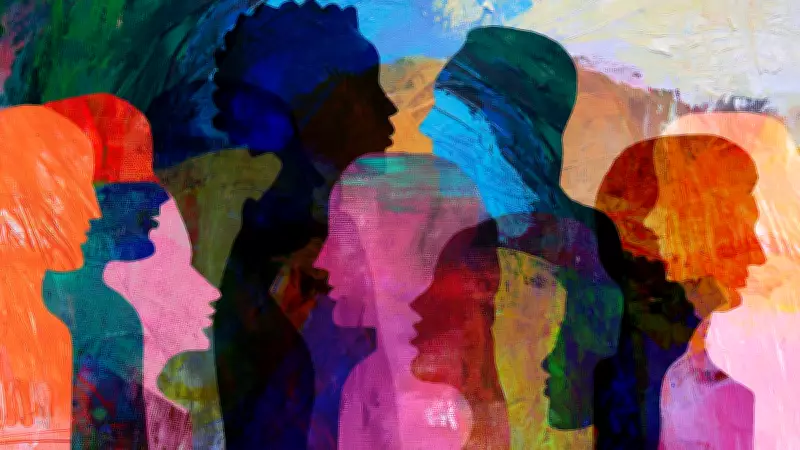
Nature's colour palette extends far beyond the visible spectrum, encompassing a rich diversity of sexual and gender expressions that challenge the notion of heteronormativity. In a thought-provoking article, Kanav Narayan Sahgal delves into the framework of queer identities, asserting that they are not a modern construct but have deep roots in both ancient texts and the animal kingdom.
Ancient Roots of Queer Identities
Historical records and ancient scriptures from various cultures have long acknowledged gender and sexual diversity. From the hijra community in South Asia to the Two-Spirit people among Indigenous North Americans, non-binary and same-sex relationships have been documented for centuries. These examples highlight that queer identities are not a recent phenomenon but an integral part of human history.
The Animal Kingdom's Challenge to Normativity
Beyond human societies, the animal kingdom presents a compelling case against rigid binary notions of sexuality. Over 1,500 species have been observed engaging in same-sex behaviors, including penguins, dolphins, and primates. For instance, male penguins have formed lifelong partnerships, raising chicks together, while female albatrosses have been known to co-parent. These behaviors serve various functions, from social bonding to cooperative parenting, and are natural occurrences in the wild.

Moreover, gender diversity is also prevalent in nature. Species like the clownfish can change sex in response to social dynamics, while some lizards reproduce through parthenogenesis, a form of asexual reproduction. Such examples underscore that nature operates on a spectrum, not a binary.
Implications for Human Understanding
Recognizing queer behaviors in animals helps dismantle the argument that homosexuality is 'unnatural.' It reinforces that diversity in sexual orientation and gender identity is a normal part of biological variation. This perspective encourages a more inclusive view of human sexuality, rooted in the natural world.
Kanav Narayan Sahgal's article invites readers to reconsider preconceived notions about gender and sexuality. By looking to nature and history, we see that queer identities are not aberrations but essential threads in the fabric of life. The article was published on May 23, 2026, and has sparked conversations about the intersection of nature, culture, and identity.