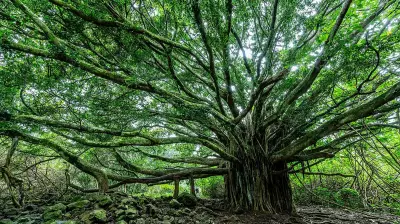
In the heart of Vadodara lies a sprawling green oasis, a timeless gift from a visionary ruler to his people. Sayajibaug, an expansive park covering 113 acres of land, stands as a lasting legacy of Maharaja Sayajirao Gaekwad III to the citizens of Baroda. Conceived in an era when the city's limits were confined, this garden has grown into an integral part of Vadodara's cultural and recreational identity.
The Royal Vision and Historic Foundation
The story of Sayajibaug began in 1875 when a large tract of land near the Vishwamitri River was identified for development. At that time, Vadodara's urban area was primarily the walled city and a few adjacent zones, making the chosen location feel like it was outside the town. The Maharaja's ambition was not merely to create a garden but to establish an institution that could educate and inspire. This led to the innovative inclusion of a zoo and a museum within the park's master plan.
After years of careful planning and development, the garden was officially opened to the public in 1879. To bring his vision to life, the Gaekwad enlisted William Goldring, a renowned British landscape architect. Goldring was assisted by the skilled German horticulturist Gustav Krumbiegel, together shaping the park's enduring landscape. The king personally kick-started the zoo by donating his own private collection of Indian and exotic animals.

A Unique Array of Attractions and Features
Sayajibaug is distinguished as the only park in Gujarat that consolidates a remarkable variety of attractions within its boundaries. It is home to one of the largest museums in the state, providing a deep dive into art, history, and culture. Beyond the museum, the park complex encompasses a zoological garden, an aviary, a functional amphitheatre, a planetarium for celestial exploration, and an interactive science park.
For decades, a charming toy train journeyed through the grounds, offering visitors a scenic tour of all the key sights, though this service is currently suspended. Among its iconic features is a picturesque bandstand encircled by Italian sculptures. Historically, this spot resonated with the sounds of military bands and classical music performances. Today, it remains a beloved gathering place for young musicians and visitors alike. Modern additions include a sleek cable-stayed bridge, dedicated children's play areas, and popular selfie zones, blending heritage with contemporary leisure.
An Enduring Legacy for Vadodara
From its origins as a royal project on the city's outskirts, Sayajibaug has become a central lung space and heritage hub for Vadodara. It successfully fulfills Maharaja Sayajirao Gaekwad III's founding principle of combining recreation with education. The park is not just a collection of attractions but a living narrative of the city's evolution, reflecting a forward-thinking philosophy of public welfare and cultural enrichment.
Each element, from the zoo and museum to the bandstand and gardens, contributes to a multifaceted experience. Sayajibaug continues to be a vital destination for families, students, tourists, and anyone seeking a connection with nature and history. It stands as a testament to visionary urban planning and royal philanthropy, ensuring that the gift of 1879 remains vibrant and relevant for generations of Barodians to come.