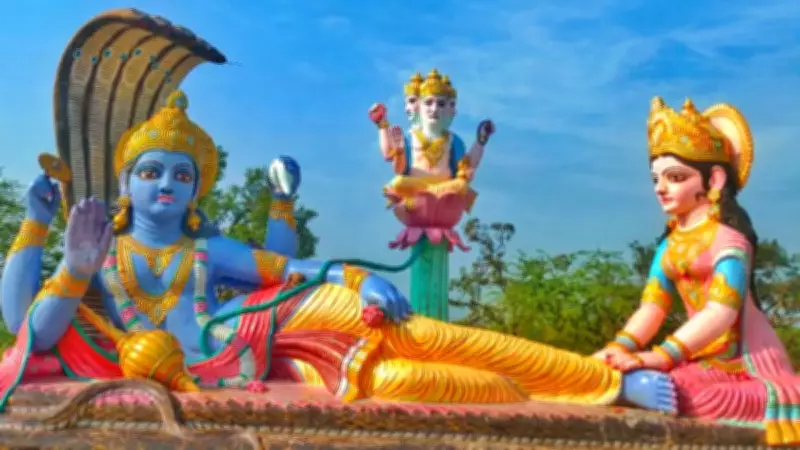
Vijaya Ekadashi 2026: Clarifying the Date Confusion and Puja Details
Vijaya Ekadashi, a significant fasting day in the Hindu calendar, is set to occur in 2026, but there has been some confusion regarding its exact date. This article provides a clear resolution, confirming that Vijaya Ekadashi will be observed on February 12, 2026, not February 13 as some sources might suggest. The discrepancy often arises from differences in regional calendars or miscalculations based on the lunar cycle. By adhering to the correct date, devotees can ensure their spiritual practices align with traditional timings, maximizing the benefits of this auspicious occasion.
Correct Timings and Significance of Vijaya Ekadashi
The timings for Vijaya Ekadashi in 2026 are crucial for performing rituals accurately. According to Hindu astrological calculations, the Ekadashi tithi (lunar day) begins on February 11, 2026, at 11:58 PM and ends on February 12, 2026, at 10:17 PM. This means the fasting period should be observed throughout February 12, with the parana (breaking of the fast) recommended after sunrise on February 13, once the Dwadashi tithi commences. Vijaya Ekadashi is celebrated during the Krishna Paksha (waning phase) of the Phalguna month, and it holds immense spiritual importance. It is believed that observing this fast can lead to victory over obstacles, purification of sins, and attainment of prosperity, as per ancient scriptures like the Padma Purana.
Step-by-Step Puja Method and Rituals
To observe Vijaya Ekadashi properly, devotees should follow a detailed puja method. Here is a comprehensive guide to the rituals:

- Preparations: Begin by waking up early before sunrise on February 12. Take a bath and wear clean, preferably white, clothes to symbolize purity. Clean the puja area and arrange idols or images of Lord Vishnu, along with offerings such as flowers, incense, lamps, and fruits.
- Fasting Rules: Observe a strict fast from sunrise on February 12 until sunrise on February 13. This includes abstaining from food grains, beans, and certain vegetables. Some devotees opt for a nirjala fast (without water), while others may consume fruits and milk. It is essential to maintain a sattvic diet and avoid non-vegetarian food, alcohol, and negative thoughts throughout the day.
- Puja Procedure: Perform the puja by chanting Vishnu Sahasranama or other dedicated mantras. Offer tulsi leaves, betel nuts, and sweets to Lord Vishnu. Light a lamp and incense to create a devotional atmosphere. Recite the Vijaya Ekadashi vrata katha (story) to understand its significance and seek blessings for overcoming life's challenges.
- Breaking the Fast: Conclude the fast on February 13 after sunrise, during the parana time. Break the fast by consuming sattvic food like fruits, milk, or simple vegetarian dishes. It is considered auspicious to donate food, clothes, or money to the needy as part of the rituals, enhancing the spiritual merits of the observance.
Common Mistakes to Avoid and Additional Tips
Many devotees make errors that can diminish the benefits of Vijaya Ekadashi. Avoid these common pitfalls:
- Incorrect Date Observance: Ensure you fast on February 12, not February 13, to align with the lunar calendar.
- Neglecting Timings: Adhere strictly to the puja and parana timings for optimal spiritual results.
- Improper Diet: Stick to sattvic foods and avoid prohibited items during the fast to maintain purity.
For enhanced devotion, consider engaging in meditation, reading religious texts, or participating in community prayers. Vijaya Ekadashi is not just about fasting; it is a holistic practice aimed at inner victory and spiritual growth. By following these guidelines, devotees can honor this sacred day with reverence and reap its profound benefits, fostering a deeper connection with divine energies.