The Story Behind the 114-Year-Old Barfi
When it comes to Indian sweets, one of the most famous variations is Barfi, known for its dense, fudge-like texture and endless regional variations. The name barfi is believed to have originated from the Persian word "barf," meaning "snow" or "ice." Among the many variations, one stands out with a history spanning over 114 years, captivating fans both in India and abroad.
What is Dodha Barfi and Its History in India
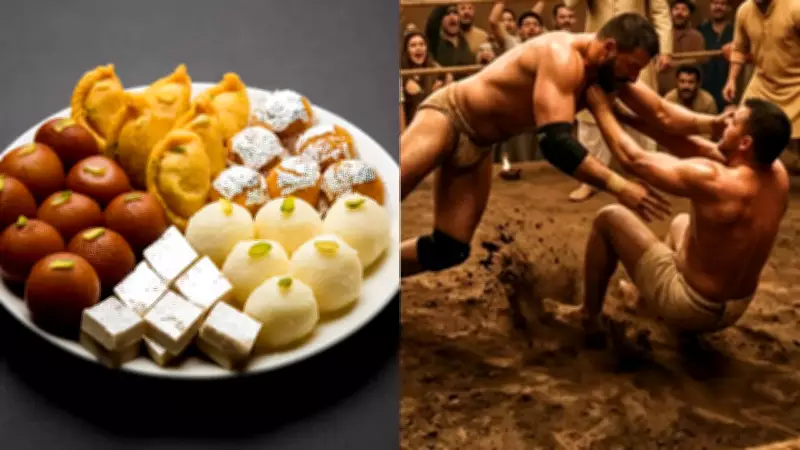
Dodha Barfi is a caramelized Indian milk sweet prepared with milk, khoya (reduced milk solids), sugar, ghee, and wheat flour or sprouted wheat. According to legend, this dark-colored barfi was invented by Lala Hans Raj Vig, a wrestler from Punjab. A report by The Better India recounts the story from 1912, when the wrestler grew tired of the monotonous ghee and milk diet he consumed to maintain his fitness and strength. He then created this variation to enjoy the same ingredients with a flavorful twist.
How the Barfi Came Into Existence
According to the Royal Dodha Sweet website, the journey began in 1912 when Lala Hans Raj Vig returned after his morning workout on a breezy day, filled with excitement. The website states, "This would be the day he felt he would reach the perfect recipe for his energy food. As the strong wrestler of his village Khushab in district Sargodha (now in Pakistan), he had been working on a diet for a long time. A diet that is savory and at the same time supplements energy needs for sportsmen. It helped that he was good at cooking, his favorite pastime. His energy food tasted delicious. Growing increasingly popular among his friends and fellow villagers, Lala Hans Raj Vig decided to commercially produce his energy food. And 'DHODHA' was born for the masculine ring in the name."

What Happened After Partition?
After the partition of India in 1947, the Dhodha family moved to Kotkapura and later opened branches there. The popularity of Dhodha continued to grow in India and abroad. The recipe of Dhodha is a closely guarded secret, passed from generation to generation, as the website claims. It also mentions, "When we eat Dhodha today, it tastes the same as it did to our forefathers 104 years back."
Change in Time and Variation
A Hindustan Times report states that today, people don't engage in much physical activity, so the Vig family takes it as their responsibility to look after the health of customers. The 1912 version of Dhodha contained cashew nuts, almonds, raisins, and apricots, while today, only cashew nuts remain from the original ingredients. Customers even ask for sugar-free Dhodha, the report mentions.
How Is It Prepared?
It is reported that every day, 3,000 liters of milk are used in the preparation of Dhodha, and during festivals, the quantity is immeasurable. The family closely monitors the purity of all raw materials, especially milk, ensuring that every batch is made with pure ingredients. It takes around 8 hours to make perfect Dhodha. The temperature control of milk makes all the difference and renders this sweet unique in its league.