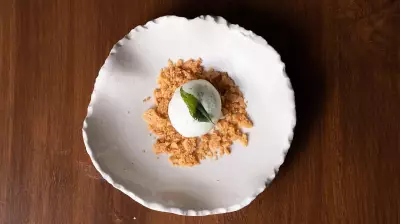
India's culinary landscape is witnessing a vibrant transformation as chefs and bartenders increasingly incorporate edible flowers into their creations. From the scarlet hue of buransh to the deep blue of aparajita and the purple of kachnaar, these blooms are adding both colour and flavour to dishes and cocktails, reviving traditional practices that have long been part of regional kitchens and communities.
A Blooming Trend in Indian Gastronomy
Edible flowers are not new to Indian cuisine. For centuries, communities across the country have used flowers in their cooking, from the pumpkin flowers in Bengal to the banana blossoms in South India. However, the recent surge in interest from professional chefs and mixologists is bringing these ingredients into the mainstream spotlight. According to food writer Chandreyi Bandyopadhyay, the trend is driven by a desire for unique flavours and natural colours, as well as a growing appreciation for indigenous ingredients.
Regional Flowers Take Centre Stage
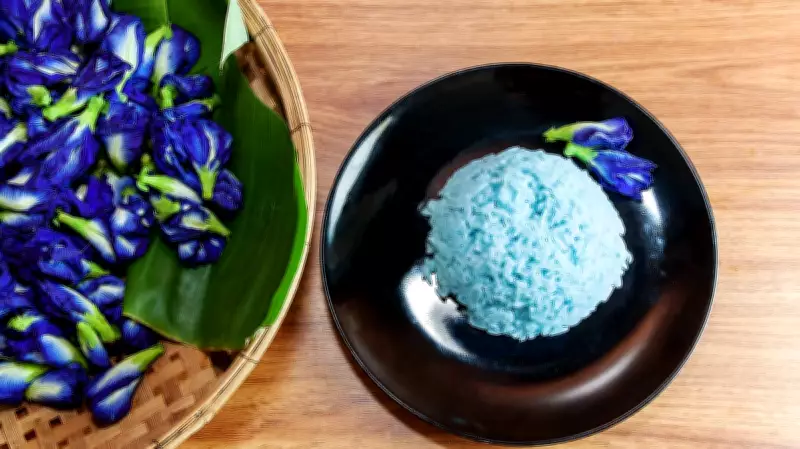
Different regions of India offer a diverse palette of edible flowers. In the Himalayas, buransh (rhododendron) is used to make juice and squash, and now appears in cocktails for its tart, floral notes. The aparajita (Clitoria ternatea), or butterfly pea flower, is prized for its vivid blue colour, which changes to purple when mixed with citrus. Kachnaar (Bauhinia variegata) buds are used in pickles and curries, while banana flowers are a staple in many regional dishes. Chefs are experimenting with these and more, creating dishes that are as visually stunning as they are delicious.

Cocktail Culture Gets a Floral Facelift
Bartenders are also embracing edible flowers to craft visually appealing and flavourful cocktails. The use of flower-infused syrups, tinctures, and garnishes is becoming common in high-end bars across cities like Mumbai, Delhi, and Bengaluru. For instance, aparajita-infused gin cocktails are popular for their colour-changing properties, while buransh syrup adds a tangy twist to classic drinks. This trend aligns with the global movement toward natural ingredients and artisanal cocktails.
Sustainability and Cultural Revival
The shift toward edible flowers also has sustainability benefits. Many of these flowers are locally grown and require minimal processing, reducing the carbon footprint associated with imported ingredients. Additionally, reviving traditional uses of flowers helps preserve cultural heritage and supports local farmers. Chefs are collaborating with rural communities to source these ingredients, ensuring fair trade and promoting biodiversity.
Challenges and Future Prospects
Despite the growing popularity, challenges remain. Many edible flowers have a short shelf life and require careful handling. There is also a need for greater awareness about which flowers are safe to eat, as some can be toxic. However, with increased interest from the culinary world and ongoing research, the future looks bright for India's edible flower movement. As more chefs and bartenders experiment, these blooms are set to become a staple in modern Indian gastronomy.