Saks Global Files for Bankruptcy: Luxury Retail Empire Crumbles
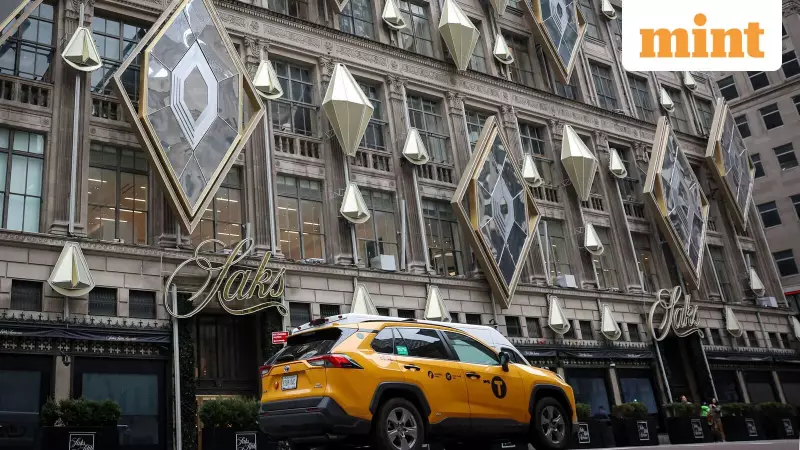
The iconic Saks Fifth Avenue flagship store in New York City stands as a silent witness to a dramatic collapse. Saks Global, the parent company of Saks Fifth Avenue, Neiman Marcus, and Bergdorf Goodman, has filed for bankruptcy protection. This move comes just over a year after a $2.7 billion merger aimed at creating a luxury retail powerhouse.
Unpaid Bills Reach Staggering Heights
Court documents reveal a shocking list of unpaid debts. Luxury brands are left holding massive unpaid invoices. Chanel alone is owed $136 million. Kering, the parent company of Gucci, Yves Saint Laurent, and Balenciaga, faces a bill of nearly $60 million. The list extends for over three pages in the bankruptcy filing.
Other major creditors include Cartier's parent Richemont, owed $30 million. Ermenegildo Zegna and LVMH each have claims of about $26 million. The total unsecured trade debt paints a dire picture of the company's financial health.

The Failed Rescue Attempts
Richard Baker, the executive chairman and architect of the merger, fought desperately to save his creation. He appealed to equity investors like Amazon and Rhône Group for more capital. He tried to convince Bank of America and other lenders to ease borrowing restrictions on a $1.8 billion loan.
Everyone turned him down.
Baker sold prime real estate under Neiman Marcus stores in Beverly Hills and San Francisco for $100 million. This almost covered a December interest payment but failed to reassure unpaid vendors. Many suppliers, owed money for months, stopped shipping new merchandise entirely.
Bondholders Take Control
With roughly $1.75 billion in financing secured for restructuring, Saks Global enters bankruptcy. The bondholders, now in charge, have pushed out Richard Baker. They installed a new leadership team led by Geoffroy van Raemdonck, the former Neiman Marcus CEO.
Van Raemdonck previously steered Neiman Marcus through its own bankruptcy before selling it to Baker in 2024. His return marks a dramatic shift in strategy for the beleaguered retail group.
A Century of Luxury Retail Vanishes
For generations, Saks and Neiman Marcus defined American luxury. Saks began as a men's clothing store in 1867, becoming synonymous with New York glamour. Neiman Marcus started in 1907, catering to Texas oil tycoons. Bergdorf Goodman joined the family in the 1970s.
These stores served as gateways for American shoppers to discover European brands. They created holiday traditions with lavish gift catalogs and personalized service. Now, their future hangs in the balance.
The Downward Spiral
The merger aimed to create cost savings and increased clout with suppliers. Instead, a perfect storm of factors led to collapse. A broad slowdown in luxury demand, inflation, and tariffs hurt sales. Unpaid suppliers cut shipments, creating a vicious cycle.
With less inventory, sales dropped. Lower sales meant even less money to pay suppliers. System glitches at Neiman Marcus and Bergdorf Goodman disrupted holiday inventory. The company ended up with $550 million less stock than forecast for late 2025.
Supplier Frustration Boils Over
Brands grew increasingly frustrated with missed payments. Jewelry brand Phillips House noticed problems as early as March 2022. By June 2023, they stopped shipping to Saks. After filing a lawsuit in November 2023, they finally received $53,000 owed.
"They kept missing their own deadlines," said Derek Frankel of Phillips House. "Then they'd say we needed to have faith in them. But we couldn't keep blindly trusting them."
Other suppliers reported similar experiences. Emails went unanswered. Payments were delayed repeatedly. Some brands like Burberry would ship only when Saks paid down its balance.
Richard Baker's Retail Journey
Baker came to retail through real estate. He developed shopping centers before forming a private-equity firm to buy retailers with valuable property. His targets included Lord & Taylor, Hudson's Bay, and eventually Saks and Neiman Marcus.

Critics paint him as a destroyer of beloved brands. Supporters note these retailers were struggling before his involvement. Baker argues he invested $1 billion in renovating stores, including a $300 million upgrade to the Saks flagship.
"This narrative that I'm not an operator but rather just a dealmaker is untrue," Baker said. He points to keeping Lord & Taylor operating for 14 years and Hudson's Bay for 17 years after their acquisitions.
The Road Ahead
Chapter 11 bankruptcy allows stores to keep operating while restructuring. Some locations will likely close. The bondholders will eventually look to sell the assets. Ironically, Saks might become the kind of distressed asset Baker himself would find irresistible.
Rivals like Nordstrom and Bloomingdale's have moved upmarket into Saks's territory. They report strong sales, suggesting the problem isn't luxury retail generally, but Saks Global specifically.
The bankruptcy filing in Houston court marks a stunning fall for America's last major luxury department store group. It leaves vendors wondering if they'll ever get paid and shoppers mourning the loss of an iconic retail experience.