For many travelers, freedom is the essence of exploration—going off the beaten path, making spontaneous decisions, and discovering places on their own terms. However, not all destinations welcome such independence. Several locations around the world impose strict controls on visitors, limiting where they can go, whom they can travel with, and how much freedom they enjoy during their stay. These restrictions often stem from political, religious, environmental, or cultural concerns, or from the need for preservation and security. Here are five destinations where independent travel is strictly regulated.
North Korea: Total Control Over Visitors
North Korea is perhaps the most tightly controlled travel destination on the planet. Tourists are required to join organized tours arranged through authorized agencies, and independent movement is virtually impossible. Visitors are constantly accompanied by official guides who monitor their activities and decide their itineraries. Renting a vehicle and exploring freely is not an option. According to travel regulations, any deviation from the planned program can lead to serious consequences, including detention. This extreme level of surveillance stems from the country's political system, which seeks to limit foreign influence and control the narrative about the nation.
Bhutan: High-Value, Low-Volume Tourism
Bhutan has long practiced a "high-value, low-volume" tourism policy to protect its unique culture and pristine environment. While recent changes have given tourists more flexibility, most visitors still travel on structured tours and must pay a Sustainable Development Fee (SDF) of $100 per night. This fee funds conservation and cultural preservation efforts. Independent backpacking is not encouraged, and travelers typically need to book through licensed tour operators. The policy ensures that tourism does not overwhelm the country's fragile ecosystem and traditional way of life.

Antarctica: No Backpacking Allowed
Antarctica is not a typical holiday destination. There are no backpacking routes, hostels, or independent travel infrastructure. Visitors usually arrive on expedition cruises or scientific trips, all of which operate under strict environmental protocols. The Antarctic Treaty System and the International Association of Antarctica Tour Operators (IAATO) regulate tourism to minimize human impact on one of the world's most delicate ecosystems. Independent travel is not permitted due to the extreme weather, lack of facilities, and the need to protect wildlife. All trips must be pre-arranged with licensed operators who adhere to safety and environmental guidelines.
Turkmenistan: One of the Most Secretive Nations
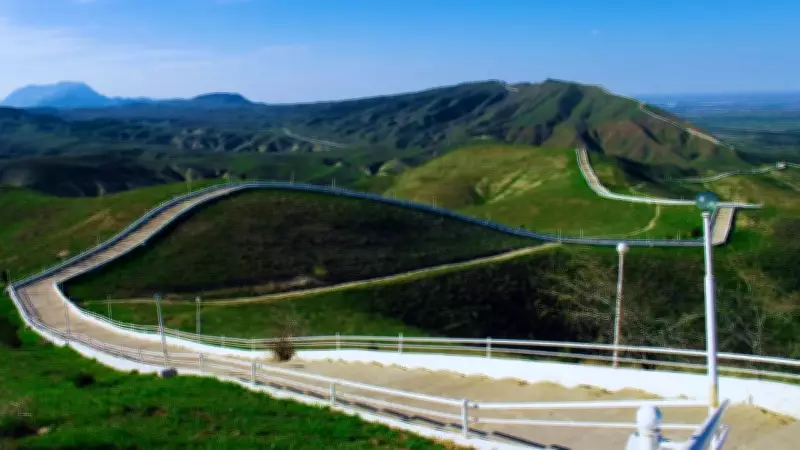
Turkmenistan, a Central Asian country known for its secrecy, poses significant challenges for independent travelers. Tourist visas often require sponsorship by authorized tour agencies, and itineraries are tied to official routes. Visitors are expected to follow pre-approved schedules, and straying from them can result in fines or deportation. The country's unusual architecture, including the futuristic capital Ashgabat, and its mysterious reputation add to its allure. However, the strict control means that spontaneous exploration is nearly impossible.
Svalbard: Polar Bears and Environmental Hazards
Svalbard, a Norwegian archipelago in the Arctic Ocean, allows independent travel but with significant restrictions. Traveling outside settlements is dangerous due to polar bears and harsh environmental conditions. According to local regulations, anyone venturing beyond the main towns must carry firearms or other safety equipment, and guided tours are strongly recommended. The governor of Svalbard enforces rules to protect both visitors and wildlife. While independent travel is technically permitted, the practical challenges make guided expeditions the norm.
These five destinations illustrate how travel freedom can be curtailed for various reasons. Whether for political control, cultural preservation, environmental protection, or safety, visitors must adapt to local rules and often forgo the spontaneity that defines independent travel.