

Indian Army Executes Major Rescue Operation in Landslide-Hit North Sikkim
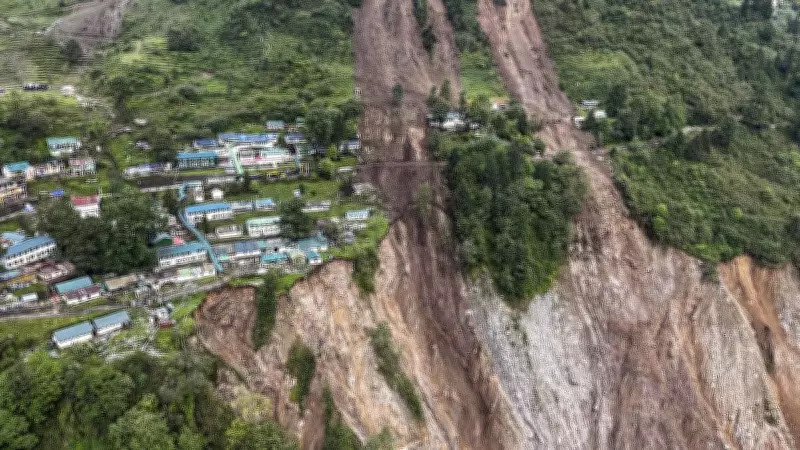
The Indian Army has undertaken a critical and large-scale rescue mission in North Sikkim, successfully evacuating 135 tourists who were trapped due to devastating landslides triggered by heavy rainfall. The operation, which is ongoing, highlights the severe impact of the natural disaster on the remote Himalayan region, with many individuals still reported as stranded and awaiting assistance.
Details of the Rescue Efforts and Current Situation
According to official reports, the landslides struck multiple areas in North Sikkim, blocking vital roads and isolating several tourist groups. The Indian Army swiftly mobilized its personnel and resources, including specialized teams and equipment, to navigate the treacherous terrain and adverse weather conditions. The rescued tourists have been provided with immediate medical aid and are being transported to safer locations, but challenges persist due to the scale of the damage and the region's inaccessibility.
Many tourists remain stranded in the affected zones, with rescue teams working tirelessly to reach them. The landslides have caused significant disruptions to local infrastructure, complicating evacuation efforts and raising concerns about the safety of those still trapped. Authorities are coordinating with local agencies to assess the full extent of the situation and ensure a comprehensive response.

Impact on Tourism and Regional Stability
This incident underscores the vulnerabilities faced by popular tourist destinations like Sikkim during the monsoon season, when landslides and floods are common. The state, known for its scenic beauty and trekking routes, has seen a surge in tourism, making such emergencies a pressing concern for both visitors and residents. The rescue operation not only aims to save lives but also to mitigate the economic and social fallout from the disaster.
Ongoing efforts include aerial surveys and ground assessments to identify stranded individuals and plan further evacuations. The Indian Army's role has been pivotal, leveraging its expertise in disaster management to address the crisis. However, with many still unaccounted for, the situation remains fluid, and updates are expected as operations progress.
Broader Implications and Future Preparedness
The landslides in North Sikkim serve as a stark reminder of the need for enhanced disaster preparedness in mountainous regions. Climate change and erratic weather patterns are increasing the frequency of such events, necessitating robust emergency protocols and infrastructure resilience. This rescue mission highlights the importance of swift military and governmental intervention in safeguarding lives during natural calamities.
As rescue teams continue their work, the focus is on ensuring the safety of all affected tourists and locals, with hopes for a successful conclusion to the operation. The incident has drawn attention to the risks associated with adventure tourism in fragile ecosystems, prompting calls for better safety measures and awareness among travelers.

