

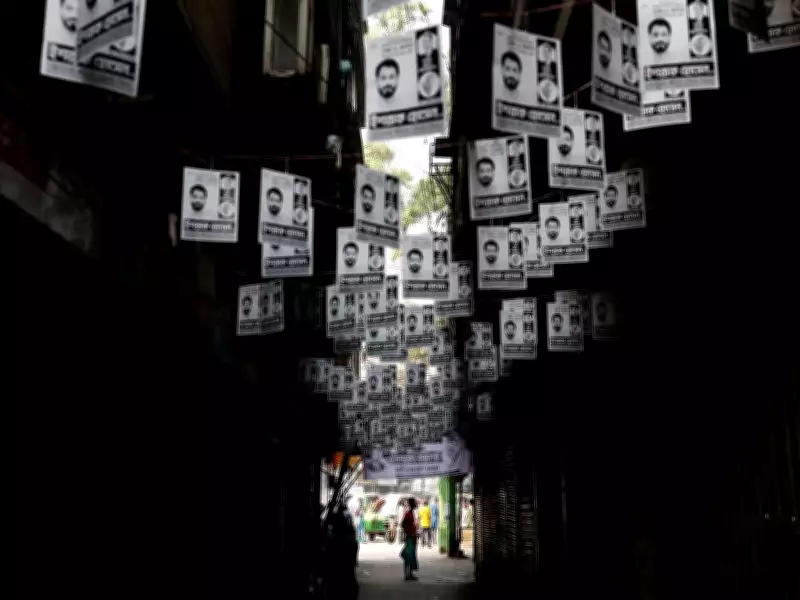
Bangladesh's General Election Commences with Eight Parties in the Fray
Bangladesh has officially entered its general election phase, with polls opening across the nation. This democratic exercise sees eight political parties actively contesting for seats, marking a pivotal moment in the country's political landscape. The election is being closely monitored both domestically and internationally, as it will determine the future governance and direction of Bangladesh.
Political Parties and Their Roles
The eight parties participating in this election represent a diverse range of ideologies and constituencies. Key among them are the ruling party, which has been in power for several terms, and major opposition groups that have mobilized significant support. Each party has campaigned vigorously, highlighting issues such as economic development, social justice, and national security. The inclusion of multiple parties is seen as a positive step towards a more inclusive political process, though concerns about fairness and transparency have been raised by some observers.
Voter Turnout and Election Dynamics
Early reports indicate a substantial voter turnout, with citizens from urban and rural areas alike heading to polling stations. The election commission has implemented measures to ensure a smooth and secure voting process, including enhanced security protocols and voter education initiatives. However, challenges such as logistical issues and allegations of irregularities have surfaced, prompting calls for greater oversight. The outcome of this election is expected to have far-reaching implications for Bangladesh's domestic policies and its relations with neighboring countries.

International Reactions and Implications
The international community has expressed keen interest in Bangladesh's election, with many countries and organizations emphasizing the importance of free and fair polls. Diplomatic missions have been actively observing the proceedings, and statements from global leaders have underscored the need for democratic principles to be upheld. The election results could influence Bangladesh's standing on the world stage, particularly in terms of trade partnerships and geopolitical alliances. As the votes are counted, analysts are closely watching for trends that might indicate shifts in public sentiment and political power.
In summary, Bangladesh's general election with eight parties in the fray is a critical event that will shape the nation's trajectory. With high stakes and widespread participation, it reflects the ongoing evolution of democracy in South Asia.






