

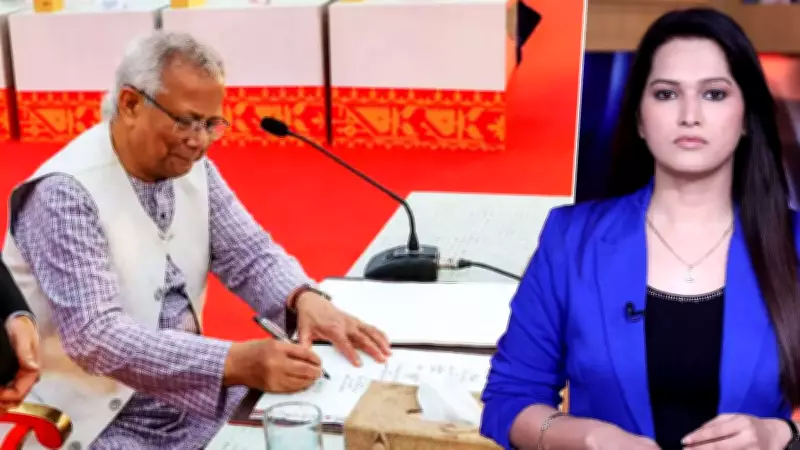
Bangladesh's Historic Election: Yunus Vows Peaceful Power Transfer Post-Hasina
As Bangladesh prepares for a landmark general election, interim leader Muhammad Yunus has made a firm commitment to ensure a peaceful and orderly transfer of power. In a nationally televised address, the Nobel laureate directly addressed widespread speculation, dismissing any notions that the interim administration might attempt to retain control beyond the electoral process.
A Decisive Moment for Democracy
Yunus characterized the upcoming vote as a pivotal moment that will fundamentally shape the nation's democratic trajectory. "This election represents a critical juncture for our country's future," he stated, emphasizing the constitutional importance of the process. The election marks Bangladesh's first national vote following the dramatic political shift that saw former Prime Minister Sheikh Hasina's exit from power, an event that has significantly reshaped the political landscape.
Political Landscape Transformed
The political arena has undergone substantial changes in the wake of Hasina's departure. The Bangladesh Nationalist Party (BNP) is widely regarded as the leading contender in the election, while the previously dominant Awami League remains conspicuously absent from the race following its disbandment. This absence creates a fundamentally different electoral dynamic compared to previous contests.

Security Measures and Regional Implications
Authorities have implemented comprehensive security protocols to prevent potential unrest during the electoral period. These measures include increased police presence and strategic deployments in key areas to maintain public order. Meanwhile, neighboring India is closely monitoring developments in Dhaka due to multiple factors including:
- Shared borders that require coordinated security approaches
- Substantial trade links that could be affected by political changes
- Broader regional stability concerns in South Asia
The Path Forward
The election outcome will determine whether Bangladesh can successfully transition from a period of political turbulence to a phase of accountable governance conducted through peaceful and constitutional means. Yunus emphasized that the interim administration's sole purpose is to facilitate this democratic process without interference. "Our role is strictly transitional," he affirmed, "and we will ensure the will of the people is respected through proper electoral procedures."
Observers note that this election represents more than just a change in leadership—it tests Bangladesh's institutional resilience and democratic foundations. The international community, particularly regional partners, awaits the results with significant interest, recognizing that Bangladesh's political stability has implications far beyond its borders.






