

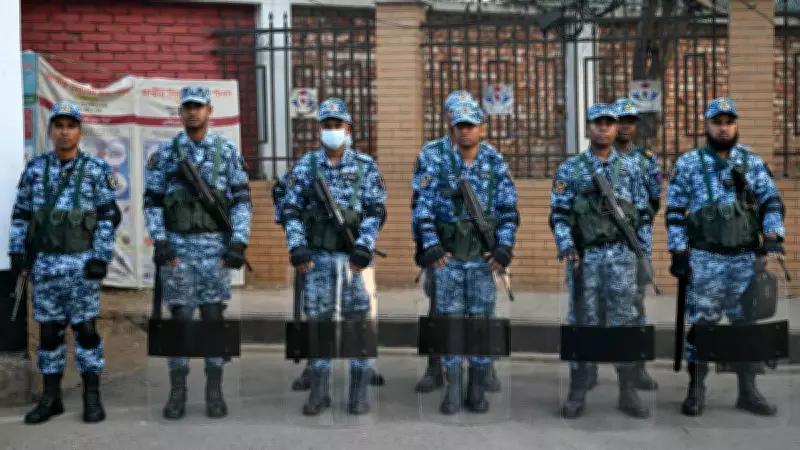
Bangladesh Elections 2026 Conclude with Awami League Victory
The 2026 general elections in Bangladesh have officially concluded, with the ruling Awami League party securing a decisive victory. The elections, held across the country, saw a significant turnout in many areas, but were marked by a boycott from the main opposition Bangladesh Nationalist Party (BNP) and its allies.
Key Developments and Voting Results
According to the latest updates from Dhaka, the Awami League, led by Prime Minister Sheikh Hasina, has won a majority of seats in the parliamentary elections. Early results indicate a strong performance in key constituencies, reinforcing the party's political dominance. The BNP, under the leadership of acting chairman Tarique Rahman, chose to boycott the elections, alleging a lack of a level playing field and concerns over electoral integrity.
Other political groups, including Jamaat-e-Islami, also participated in the boycott, citing similar grievances. This move led to a reduced competitive landscape in many districts, with Awami League candidates facing minimal opposition. International observers were present to monitor the voting process, with preliminary reports highlighting a generally peaceful atmosphere, though some isolated incidents of unrest were reported.

Political Context and Reactions
The elections come amid a backdrop of ongoing political tensions in Bangladesh. The Awami League has been in power for multiple terms, with Sheikh Hasina serving as Prime Minister since 2009. The BNP, which has been critical of the government's policies, argued that the electoral environment was not conducive for a fair contest, pointing to issues such as media restrictions and alleged harassment of opposition supporters.
Notable figures like Nobel laureate Muhammad Yunus have previously called for transparent and inclusive elections, adding to the international scrutiny. In response to the boycott, government officials emphasized that the elections were conducted in accordance with constitutional provisions and urged all parties to respect the democratic process. Supporters of the Awami League celebrated the victory, while BNP leaders condemned the results as illegitimate and vowed to continue their political struggle.
Implications for Bangladesh's Future
This electoral outcome is expected to shape Bangladesh's political and economic trajectory in the coming years. With the Awami League's renewed mandate, policies related to governance, development projects, and foreign relations are likely to continue along current lines. However, the opposition's boycott raises questions about political inclusivity and could lead to further polarization within the country.
Analysts suggest that the government may face challenges in addressing the concerns of boycotting parties to ensure broader national unity. The international community, including neighboring countries and global organizations, will be closely watching how Bangladesh navigates post-election dynamics, particularly in terms of human rights and democratic norms.
As the final results are tallied and official announcements made, the focus will shift to the formation of the new government and its agenda for the next term. The elections of 2026 mark a significant chapter in Bangladesh's democratic journey, with implications that extend beyond its borders.






