

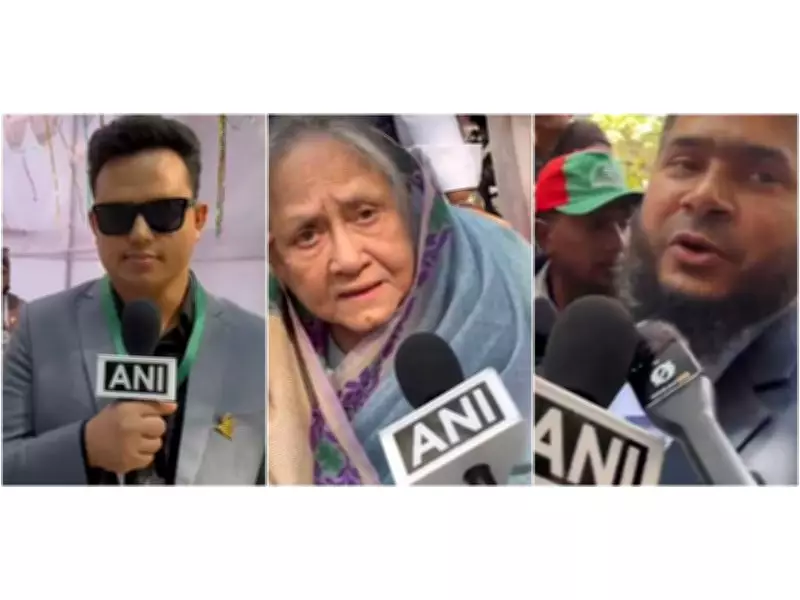
Bangladesh Election Controversy: Jamaat Candidate Alleges Foul Play
A candidate from the Jamaat-e-Islami party in Bangladesh has made serious allegations of foul play in the upcoming elections, sparking a political controversy. The candidate claims that his nomination was unfairly rejected by the authorities, raising concerns about the integrity of the electoral process.
Allegations of Unfair Nomination Rejection
The Jamaat-e-Islami candidate, whose identity has not been fully disclosed in initial reports, alleges that his nomination papers were rejected without valid justification. According to his statements, this action is part of a broader pattern of political bias aimed at sidelining opposition parties in Bangladesh. The candidate argues that the rejection violates electoral laws and democratic principles, calling for an immediate review of the decision.
This incident comes amid heightened tensions in Bangladesh's political landscape, where elections are often marred by accusations of manipulation and unfair practices. The Jamaat-e-Islami party, which has faced legal challenges and restrictions in the past, views this as another attempt to suppress its participation in the democratic process.

Context of Political Bias and Electoral Integrity
Bangladesh's electoral system has been under scrutiny in recent years, with multiple reports highlighting issues such as:
- Alleged government interference in the nomination process for opposition candidates.
- Legal hurdles that disproportionately affect parties like Jamaat-e-Islami, which has been banned from participating in elections under certain conditions.
- International concerns about the fairness and transparency of Bangladesh's polls, with observers calling for reforms to ensure free and fair elections.
The current allegations add to these concerns, with the candidate emphasizing that such actions undermine public trust in the electoral system. He has urged national and international bodies to intervene and ensure that all parties are given a fair chance to contest.
Implications for Bangladesh's Democracy
If proven true, these allegations could have significant implications for Bangladesh's democratic stability. Foul play in elections can lead to:
- Erosion of voter confidence in the electoral process, potentially reducing turnout and engagement.
- Increased political polarization, as opposition groups feel marginalized and resort to protests or legal battles.
- Damage to Bangladesh's international reputation, affecting diplomatic relations and foreign investment.
The government and election commission have yet to issue a detailed response to these claims. However, past instances suggest that such allegations are often met with denials or minimal commentary, further fueling speculation and controversy.
As the election date approaches, all eyes will be on how this situation unfolds. The Jamaat-e-Islami candidate's allegations highlight the ongoing challenges in ensuring a level playing field in Bangladesh's politics, and they serve as a reminder of the importance of upholding democratic norms in the region.






