

Bangladesh Calls for Diplomatic Reset with India, Emphasizes New Delhi's Role
In a significant development, Bangladesh has formally requested a reset in its diplomatic relations with India, placing the onus squarely on New Delhi to recognize and adapt to the changed geopolitical reality in the region. This call for a renewed partnership underscores the evolving dynamics between the two neighboring nations, with Bangladesh highlighting the need for India to address longstanding bilateral issues to foster stronger and more equitable ties.
Advisor Tarique's Statement on Bilateral Relations
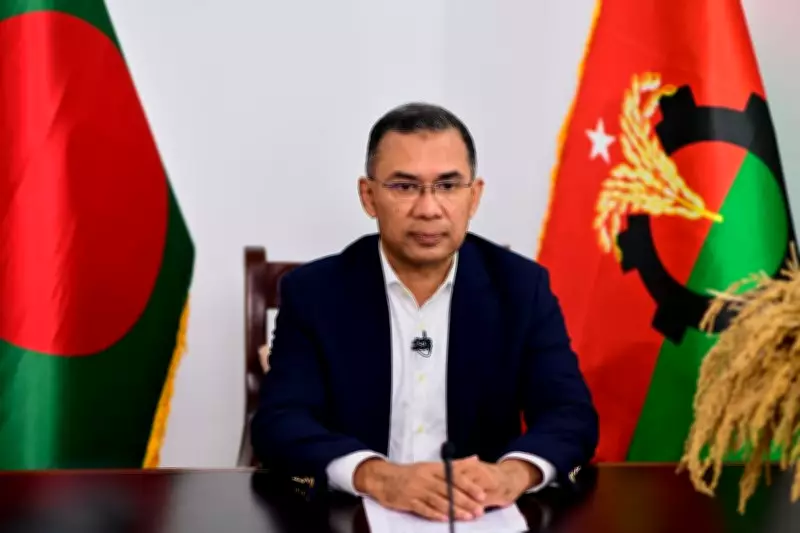
According to recent reports, an advisor to Bangladesh's political leadership, Tarique, has articulated that the current state of India-Bangladesh relations requires a fundamental reassessment. He emphasized that India must acknowledge the transformed regional landscape, which includes Bangladesh's growing economic and strategic significance. This perspective signals a shift in Bangladesh's diplomatic approach, as it seeks to assert its position more firmly in bilateral engagements.
Key Issues Highlighted for Resolution
The call for a reset comes amid several unresolved matters that have strained ties between the two countries. Key areas of concern include:

- Trade Imbalances: Addressing disparities in bilateral trade to ensure mutual economic benefits.
- Border Management: Enhancing cooperation on border security and cross-border issues.
- Water Sharing: Resolving disputes over shared river resources, which are critical for both nations.
- Regional Security: Collaborating on security challenges to promote stability in South Asia.
Bangladesh's stance reflects its desire for a more balanced relationship, where its interests are adequately represented and respected.
Geopolitical Context and Regional Implications
The push for a reset is set against a backdrop of shifting geopolitical alliances in South Asia. Bangladesh's economic growth and strategic partnerships with other global powers have altered its regional standing, necessitating a reevaluation of its ties with India. This move could have broader implications for regional diplomacy, potentially influencing India's approach to its neighbors and its overall foreign policy in the area.
Experts suggest that India's response to this call will be crucial in determining the future trajectory of bilateral relations. A proactive engagement from New Delhi could lead to enhanced cooperation, while neglect might further complicate the diplomatic landscape.
Potential Pathways Forward
To achieve a successful reset, both nations may need to explore new avenues for collaboration. Potential steps include:
- High-Level Dialogues: Initiating regular diplomatic talks at the highest levels to address core issues.
- Economic Partnerships: Developing joint initiatives to boost trade and investment, reducing existing imbalances.
- Cultural Exchanges: Promoting people-to-people connections to strengthen bilateral bonds beyond politics.
- Security Cooperation: Enhancing joint efforts on counter-terrorism and regional stability.
By taking these measures, India and Bangladesh can work towards a more robust and mutually beneficial relationship, aligning with the changed realities of the 21st century.






