

BNP Emerges as Frontrunner in Bangladesh Elections with Focus on India Ties
As Bangladesh heads to the polls on Thursday under a heavy security blanket, the Bangladesh Nationalist Party (BNP) has emerged as the frontrunner to lead the nation. The party is poised to govern under Tarique Rahman, the son of founder and former Prime Minister Khaleda Zia, who passed away in December 2025.
Election Dynamics and Key Players
With 12.7 crore eligible voters participating, the electoral landscape features the BNP as the primary contender. The Jamaat-e-Islami, previously banned and marginalized under ousted Prime Minister Sheikh Hasina's Awami League regime, stands as the main challenger. Tarique Rahman, who returned to Bangladesh from the UK less than two months ago to be with his ailing mother, is the BNP's prime ministerial candidate.
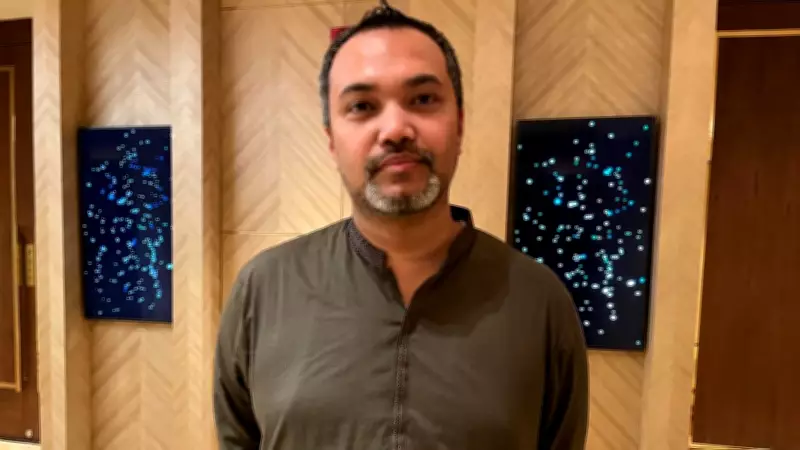
In an exclusive interview with The Indian Express, Mahdi Amin, a close advisor to Rahman and spokesperson for the BNP's election steering committee, outlined the party's vision and expectations.

Expectations and Democratic Process
What are your expectations from the elections? Amin expressed optimism, stating that after over a decade-and-a-half of deprivation, voters are eager to exercise their rights in a free and fair process. He emphasized that the BNP anticipates forming the next government based on public mandate.
What does Tarique Rahman's return mean for democracy? According to Amin, Rahman's return signifies a renewed commitment to development across sectors like education, healthcare, agriculture, and employment. He highlighted plans for a transparent and accountable government that empowers citizens.
Inclusivity and Political Challenges
The absence of the Awami League has raised questions about election inclusivity, with India calling for credible polls. Amin responded that the people of Bangladesh have made a choice, rejecting a party associated with human rights violations and corruption. He affirmed the BNP's role as the largest stakeholder leading the movement against autocracy.
Regarding the Jamaat-e-Islami, Amin noted ideological differences, particularly on women's empowerment. He contrasted BNP's progressive policies, such as free education for girls and women's ministry initiatives, with Jamaat's restrictive stance.
India-Bangladesh Relations Under a Potential BNP Government
Amin addressed the fluctuating ties between India and Bangladesh, emphasizing opportunities for collaboration. "I believe there are great opportunities to work together," he said, advocating for bilateral relations based on mutual trust and interest. Key areas for cooperation include:
- Trade and industry
- Cultural exchanges
- Educational partnerships
- Security initiatives
He stressed that a BNP government would prioritize reciprocal benefits and fairness in diplomatic engagements.
Top Priorities and Minority Protection
What is the topmost agenda for Tarique Rahman? Amin identified improving law and order, enhancing accountability, and ensuring government power derives from the people through transparency and public mandate.
What about the situation of minorities? Reaffirming BNP's ideology of Bangladeshi nationalism, Amin pledged equal rights and protections for all citizens, regardless of religion or faith. He cited post-August 5 efforts to safeguard religious sites and promote cohesion as evidence of the party's commitment to a united Bangladesh.
As voting commences, the BNP's prospects hinge on delivering these promises, with a focus on domestic reform and strengthened international partnerships, particularly with India.






