

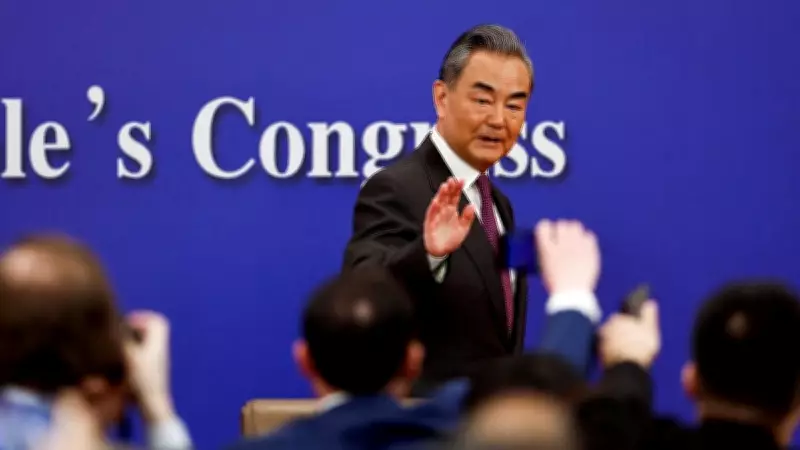
China's Top Diplomat Warns Against Knee-Jerk Calls for Decoupling
In a significant diplomatic statement, China's top diplomat, Wang Yi, has cautioned against what he described as "knee-jerk" calls for economic decoupling. This warning comes amid rising geopolitical tensions and increasing discussions in some Western nations about reducing economic dependencies on China. Wang Yi, who serves as China's Foreign Minister, emphasized the critical importance of maintaining global economic integration and avoiding rash decisions that could destabilize international relations.
Emphasis on Global Cooperation and Stability
Wang Yi stressed that the global economy is deeply interconnected, and any moves toward decoupling could have severe repercussions for all nations involved. He highlighted that such actions are often driven by short-term political considerations rather than long-term economic logic. The diplomat underscored the need for countries to work together to address common challenges, such as climate change, pandemics, and economic inequality, rather than retreating into isolationism.
According to Wang Yi, "Impulsive calls for decoupling are not only misguided but also dangerous. They threaten the hard-won progress we have made in global cooperation and could lead to unnecessary conflicts and economic downturns." He pointed out that China has been a key player in global supply chains and international trade, contributing significantly to worldwide economic growth over the past decades.

Context of Rising Geopolitical Tensions
The warning from China's top diplomat comes at a time when geopolitical tensions, particularly between China and the United States, have been escalating. Issues such as trade disputes, technological competition, and human rights concerns have fueled debates in Western capitals about reducing reliance on Chinese goods and services. Some policymakers have advocated for "decoupling" or "de-risking" strategies to mitigate perceived vulnerabilities.
However, Wang Yi argued that such approaches are counterproductive. He noted that decoupling would not only harm China's economy but also negatively impact the economies of other countries, including those in the West. The diplomat called for a more nuanced and cooperative approach to managing international relations, one that balances national interests with global stability.
Implications for International Trade and Diplomacy
Wang Yi's remarks have significant implications for international trade and diplomacy. They signal China's commitment to maintaining its role in the global economy and its desire to avoid further fragmentation of the international system. The warning also serves as a reminder to other nations of the potential costs associated with decoupling policies.
- Economic Interdependence: Wang Yi highlighted that modern economies are highly interdependent, and decoupling could disrupt supply chains, increase costs, and reduce efficiency.
- Diplomatic Relations: He urged countries to engage in dialogue and cooperation rather than confrontation, emphasizing that diplomacy is the best tool for resolving disputes.
- Global Challenges: The diplomat reiterated that global issues require collective solutions, and decoupling would only make it harder to address problems like climate change and public health crises.
In conclusion, Wang Yi's warning against knee-jerk calls for decoupling underscores the complexities of contemporary international relations. As the world grapples with multiple crises, his message advocates for prudence, cooperation, and a forward-looking approach to global governance. The response from other nations to this warning will likely shape the future trajectory of economic and diplomatic interactions in the coming years.






