

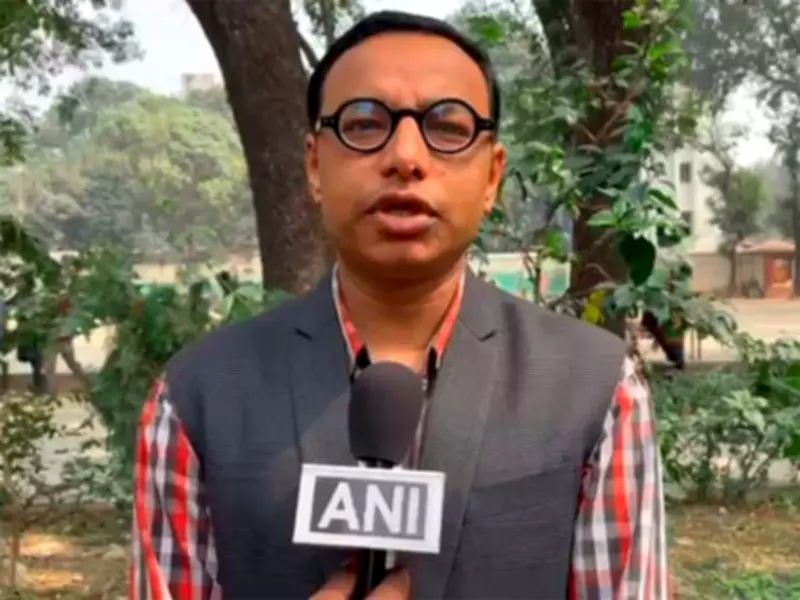
Dhaka University Scholar Calls for Transparent Electoral Process in Bangladesh
As Bangladesh gears up for its upcoming election this Thursday, a prominent academic has voiced a crucial demand for democratic integrity. Professor Tawohidul Haque from Dhaka University has underscored the paramount importance of conducting a free and fair electoral process, emphasizing that this is essential for the nation's stability and progress.
Academic Insight on Electoral Integrity
In a recent statement, Professor Haque highlighted that the credibility of the election hinges on transparency and impartiality. He pointed out that a genuinely democratic vote is not just a procedural formality but a cornerstone for building public trust and ensuring peaceful governance. His remarks come at a time when Bangladesh faces significant political scrutiny, with international observers closely monitoring the electoral environment.
The professor stressed that any deviation from fair practices could undermine the legitimacy of the outcome and potentially lead to unrest. He called upon all stakeholders, including election authorities and political parties, to uphold ethical standards and avoid any actions that might compromise the poll's integrity.

Context of Bangladesh's Political Landscape
Bangladesh has a history of contentious elections, with past votes marred by allegations of irregularities and violence. This Thursday's poll is seen as a critical test for the country's democratic institutions, as it could shape its political trajectory for years to come. Professor Haque's intervention adds an academic perspective to the ongoing discourse, reminding citizens and leaders alike of the fundamental principles at stake.
He noted that free and fair elections are vital for fostering national unity and enabling the government to address pressing issues such as economic development and social welfare. Without a legitimate mandate, he warned, governance efforts might face heightened challenges and public skepticism.
Broader Implications for Regional Stability
The call for electoral fairness resonates beyond Bangladesh's borders, as South Asia grapples with democratic challenges in various nations. A transparent election in Bangladesh could set a positive example for the region, promoting stability and cooperation. Professor Haque's advocacy aligns with global democratic norms, reinforcing the idea that citizens' voices must be heard without coercion or manipulation.
In summary, as Bangladesh approaches this pivotal moment, the emphasis on free and fair elections by figures like Professor Tawohidul Haque serves as a timely reminder of democracy's core values. Ensuring a credible vote will be key to the country's future prosperity and harmony.






