

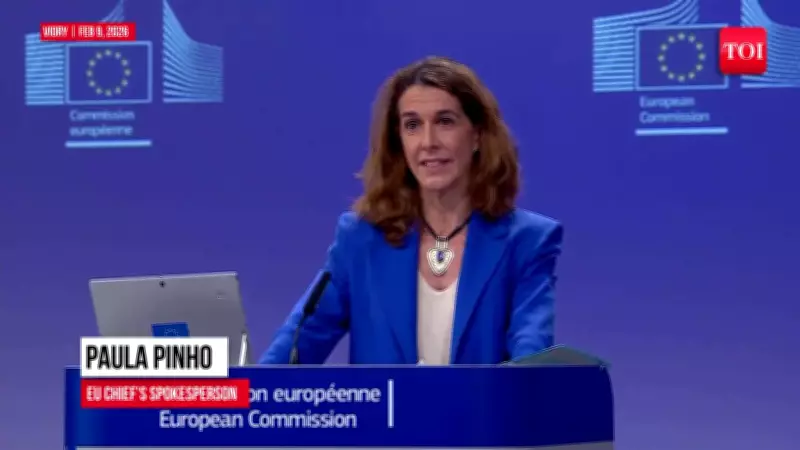
EU Officials Face Intense Scrutiny Over Russian Oil Sanctions at Brussels Press Conference
European Union officials encountered a barrage of tough questions during a high-stakes press briefing in Brussels, as journalists pressed them on the effectiveness of the latest sanctions targeting Russian oil exports. The briefing, held on February 10, 2026, became a focal point for scrutiny over the bloc's ongoing efforts to curb Moscow's energy revenues amid geopolitical tensions.
Reporters Grill Officials on Alleged Price Cap Failure
At the heart of the questioning was whether the newly proposed maritime services ban represents an admission that the previously implemented oil price cap has fundamentally failed to achieve its objectives. Reporters pointedly asked if this move signals that the cap—designed to limit Russia's oil income while keeping global markets stable—has not delivered the intended economic pressure.
Commission spokespeople, while avoiding comprehensive details ahead of the formal presentation of the sanctions package, consistently argued that the measures are designed to strengthen existing sanctions and make Russian oil exports more difficult. They emphasized that the new restrictions aim to close loopholes and enhance enforcement mechanisms.

Defense of Diplomatic Engagements and Sanction Approval Process
Officials also took time to defend a planned trip to the Munich Security Conference, describing it as vital for global diplomacy and coordination with international partners. They stressed that such engagements are crucial for maintaining a united front against actions that threaten European security and global stability.
It is important to note that the proposed sanctions still require unanimous approval from all EU member states before they can be enacted. This procedural hurdle highlights the complex political dynamics within the bloc, where consensus on punitive measures against Russia has sometimes been challenging to achieve.
Moscow's Reaction and Broader Implications
In response to the proposed measures, Moscow has already labeled the sanctions as illegal and warned of potential backlash. Russian officials have argued that such actions could disrupt global energy markets and have unintended consequences for European economies.
The press briefing underscored the ongoing challenges the EU faces in balancing effective sanctions enforcement with diplomatic pragmatism. As the situation evolves, the bloc's ability to maintain cohesion and adapt its strategies will be critical in addressing the multifaceted dimensions of this geopolitical standoff.






