

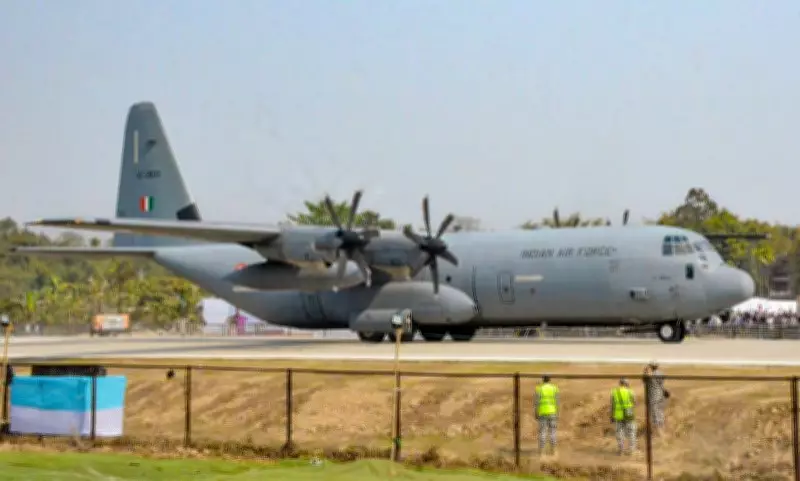
Highways Transformed into Emergency Airstrips for National Defence
In a significant strategic move, India is repurposing its extensive network of national highways to function as emergency airstrips. This innovative initiative aims to bolster the nation's defence preparedness and improve rapid response capabilities during crises. By converting select highway sections into temporary landing strips, the government is creating a flexible and resilient infrastructure that can support military and humanitarian operations when traditional airports are inaccessible or compromised.
Strategic Importance of Highway Airstrips
The development of highway airstrips is a critical component of India's broader defence strategy. These emergency strips provide the armed forces with additional options for aircraft deployment, particularly in remote or border regions where permanent airbases may be limited. In times of conflict or natural disasters, such as floods or earthquakes, these airstrips can facilitate the swift movement of troops, equipment, and relief supplies, ensuring timely intervention and support.
Key features of these highway airstrips include:

- Specially designed road segments with reinforced surfaces to withstand the weight and impact of military aircraft.
- Clear zones free of obstacles like light poles and signage to ensure safe takeoffs and landings.
- Integration with existing highway infrastructure to minimize disruption to civilian traffic during peacetime.
Enhancing Disaster Response and Military Readiness
Beyond defence applications, highway airstrips play a vital role in disaster management. In the aftermath of calamities, when conventional airports might be damaged or overwhelmed, these strips enable emergency services to airlift supplies and evacuate affected populations efficiently. This dual-use approach not only strengthens national security but also enhances public safety and resilience against unforeseen events.
The initiative reflects a proactive approach to infrastructure development, aligning with global best practices where countries like Sweden and the United States have implemented similar measures. By leveraging existing highway networks, India is optimizing resource utilization and reducing the need for costly, standalone airstrip constructions.
Implementation and Future Prospects
The rollout of highway airstrips involves collaboration between the Ministry of Defence, the National Highways Authority of India (NHAI), and other relevant agencies. Initial phases have focused on identifying and upgrading suitable highway stretches, with plans to expand the network across strategic locations. This project is part of a larger effort to modernize India's transportation and defence infrastructure, supporting economic growth and strategic autonomy.
Looking ahead, the integration of advanced technologies, such as automated landing systems and real-time monitoring, could further enhance the functionality of these airstrips. As the program evolves, it is expected to contribute significantly to India's overall defence posture and emergency response framework, setting a benchmark for innovative infrastructure solutions in the region.






