India Advocates for Peaceful Resolution as West Asia Crisis Escalates
Prime Minister Narendra Modi on Monday emphasized India's unwavering support for resolving conflicts through dialogue and diplomacy, while expressing deep concern over the rapidly deteriorating situation in West Asia. "India has consistently advocated for dialogue and diplomacy as the only sustainable solution to such disputes," PM Modi stated, reaffirming New Delhi's longstanding position favoring peaceful conflict resolution.
Grave Concerns Over Regional Escalation
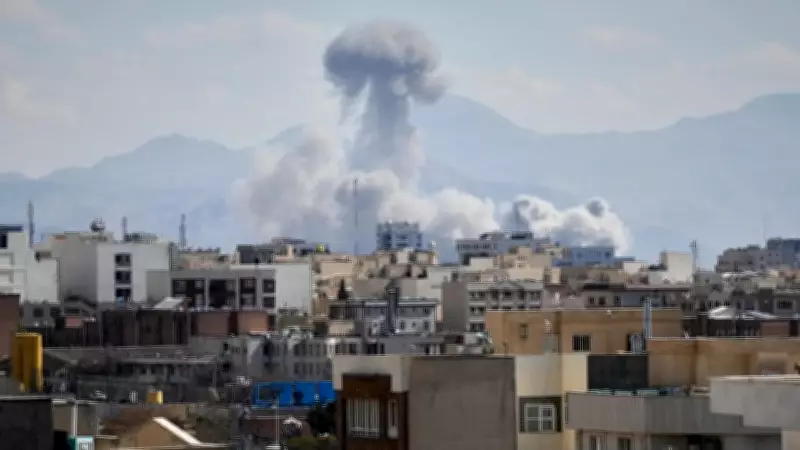
During a press briefing alongside Canadian counterpart Mark Carney, PM Modi addressed the mounting tensions following the joint United States and Israeli military operation against Iran over the weekend. The operation, codenamed "Epic Fury," resulted in the death of Iran's Supreme Leader Ayatollah Ali Khamenei and several senior officials, triggering significant Iranian retaliation and raising fears of a broader regional war.
"The situation in West Asia represents a matter of grave concern for our nation," PM Modi declared. He further added, "We will continue working closely with countries throughout West Asia to ensure the safety and security of Indian citizens residing there."

India's Diplomatic Outreach Intensifies
In its first official response to the rapidly evolving crisis, the Indian government issued a statement through the Ministry of External Affairs expressing "deep concern" about developments in Iran and the Gulf region. The statement emphasized that "dialogue and diplomacy" must be pursued to de-escalate tensions while urging all parties to exercise maximum restraint.
External Affairs Minister S. Jaishankar conducted separate telephone conversations with Iranian Foreign Minister Seyed Abbas Araghchi and Israeli Foreign Minister Gideon Sa'ar. During these discussions, Jaishankar conveyed India's profound apprehension about the regional situation and stressed the importance of respecting sovereignty and territorial integrity.
Emergency Measures for Indian Nationals
The Ministry of External Affairs has activated emergency protocols to assist Indian citizens affected by the conflict. Indian embassies in Tehran and Tel Aviv have established 24x7 helplines and are coordinating with local authorities to provide necessary support. Additional advisories have been issued for Indian nationals in Qatar, Turkey, and Syria, urging vigilance and regular contact with diplomatic missions.
The Cabinet Committee on Security, chaired by Prime Minister Modi, convened an emergency meeting on Sunday to assess the crisis. The committee expressed serious concern about the safety of India's substantial expatriate community in the region and reviewed broader implications for regional security, economic activities, and travel disruptions.
High-Level Diplomatic Communications
Prime Minister Modi held a crucial telephone conversation with Israeli Prime Minister Benjamin Netanyahu on Monday, discussing the Middle East situation and conveying India's concerns. During the call, PM Modi emphasized that civilian safety must remain an absolute priority and reiterated India's call for an early cessation of hostilities.
On Saturday evening, PM Modi spoke with UAE President Sheikh Mohamed bin Zayed Al Nahyan, strongly condemning attacks on the Gulf nation and expressing India's solidarity during the crisis. The Prime Minister thanked UAE leadership for ensuring the well-being of the Indian community and reiterated India's commitment to regional peace and stability.
Relief for Stranded Students
In a positive development for foreign students trapped in Iran, including numerous Indian scholars, Tehran has authorized exit through land borders. According to Iranian state media reports, students will also be permitted to complete term-end examinations and doctoral thesis defenses at alternative dates, with revised schedules to be announced separately.
This decision comes as Iranian universities and public institutions remain temporarily closed and international flight operations remain suspended due to the ongoing security situation. The move provides crucial relief for academic communities affected by the conflict.

Regional Military Developments
The conflict has witnessed significant military engagements across the region. The Lebanese militant group Hezbollah claimed strikes on Israeli territory for the first time in over a year, prompting immediate Israeli retaliatory action. United States allies have pledged support to counter Iranian missile and drone attacks, while the first American military fatalities have been reported alongside additional casualties in Israel and Gulf nations.
Iranian authorities have reported hundreds of fatalities within their territory, highlighting the human cost of the escalating confrontation. As tensions continue to mount, India maintains its diplomatic efforts to encourage de-escalation and protect its citizens throughout the affected region.