

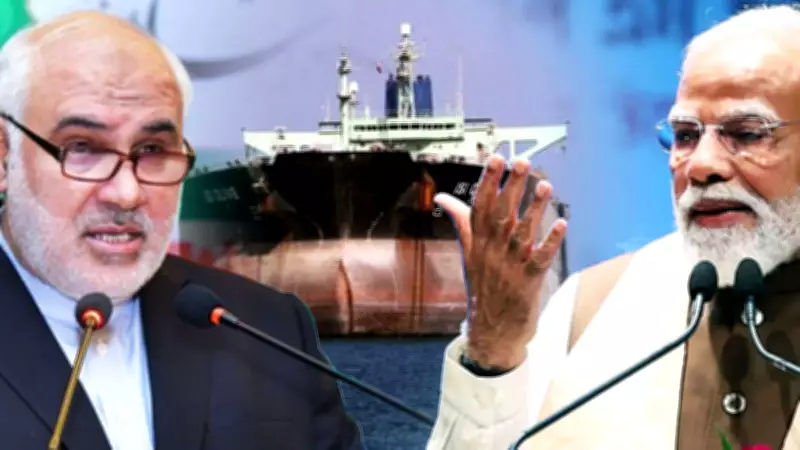
India Firmly Rejects Reports of Iran Tanker Swap Agreement
In a definitive statement, the Indian government has categorically dismissed recent media speculation regarding a proposed "tanker swap" deal with Iran. Officials have labeled these reports as entirely unfounded, clarifying that no such negotiations have occurred between the two nations.
Context of Escalating Regional Tensions
The unverified claims surfaced against the backdrop of heightened military activity in the strategically vital Strait of Hormuz. This narrow maritime passage, a critical artery for global energy supplies, is currently under the surveillance of Iran's Islamic Revolutionary Guard Corps. The situation has raised international concerns about the security of commercial shipping lanes.
India's Operational Strategy for Maritime Security
Rather than pursuing broad bilateral agreements, Indian authorities have confirmed they are managing vessel movements on a case-by-case basis. This individualized approach has already demonstrated its effectiveness through several successful operations.

Recent successful transits include:
- The safe arrival of the Shivalik LPG carrier at its designated port
- The secure passage of the Jag Laadki oil tanker through contested waters
- The protected journey of the Nanda Devi commercial vessel
These accomplishments underscore India's capability to ensure maritime security without resorting to the alleged swap arrangements.
Diplomatic Stance and Humanitarian Priorities
External Affairs Minister S. Jaishankar has reinforced India's commitment to diplomatic engagement and international coordination. "Our focus remains on constructive dialogue and collaborative mechanisms to address regional challenges," the minister emphasized during recent briefings.
With hundreds of Indian seafarers currently operating in the volatile region, their protection constitutes a paramount concern for New Delhi. The government has implemented enhanced monitoring protocols and established direct communication channels with shipping companies to safeguard personnel.
This comprehensive approach combines diplomatic prudence with practical security measures, reflecting India's balanced strategy in navigating complex international waters while protecting its national interests and citizens abroad.






