In a significant escalation of civil unrest, widespread economic protests across Iran have led to a tragic loss of life and mass detentions, prompting the Indian government to issue a vital advisory for its nationals residing in or traveling to the country.
Violent Unrest Grips Iran
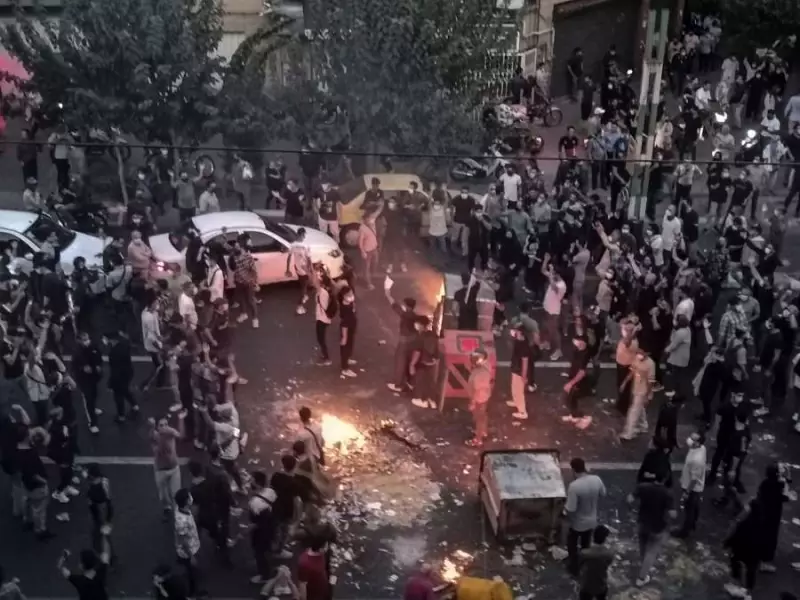
The protests, which erupted over severe economic grievances, have turned deadly. At least 35 people have been killed in the ensuing clashes between demonstrators and security forces. The scale of the state's response is further highlighted by the detention of approximately 1,200 individuals in connection with the demonstrations.
These figures underscore the intensity of the current crisis in Iran, where public frustration over inflation, unemployment, and living standards has boiled over into open, and often violent, confrontation on the streets of multiple cities.

India's Swift Advisory for Citizens
In response to the deteriorating security situation, the Ministry of External Affairs (MEA) of India has proactively issued a security advisory for Indian citizens. The advisory, dated January 6, 2026, urges heightened caution.
The key instructions from the Indian government include:
- Avoiding all non-essential travel to Iran until the situation stabilizes.
- Indian nationals currently in Iran are strongly advised to exercise extreme vigilance and avoid areas where protests are occurring.
- Registering with the Indian Embassy in Tehran to facilitate communication in case of an emergency.
This move by Indian authorities reflects a standard protocol to ensure the safety of its diaspora abroad during periods of international instability and potential danger.
Context and Implications
The protests are rooted in deep-seated economic challenges facing Iran. While the immediate trigger may vary, the underlying causes are consistently linked to the country's struggling economy, which has been hampered by international sanctions and internal policy issues.
The Iranian government's firm response, resulting in the reported casualties and detentions, indicates a low tolerance for dissent and a determination to quell the unrest swiftly. This pattern has been observed in previous waves of protests within the country.
For the international community, including India, which maintains diplomatic and trade ties with Iran, the instability presents a complex challenge. The primary concern remains the safety of foreign nationals, followed by the monitoring of a situation that could have wider geopolitical ramifications in the already volatile Middle East region.
The Indian advisory serves as a crucial reminder for travelers and expatriates to stay informed through official channels and prioritize personal safety above all else during such crises.