India-Japan Joint Military Exercise Dharma Guardian 2026 Successfully Concludes
The highly anticipated joint military exercise Dharma Guardian 2026, conducted between the armed forces of India and Japan, has officially culminated after a series of intensive and collaborative training sessions. This significant bilateral endeavor, held at a designated training area, aimed to strengthen the strategic partnership and military interoperability between the two key Asian nations, focusing primarily on counter-terrorism and counter-insurgency operations in complex urban and semi-urban environments.
Enhancing Tactical Coordination and Interoperability
The exercise featured a comprehensive array of tactical drills and simulations designed to refine the joint operational capabilities of both forces. Troops from the Indian Army and the Japan Ground Self-Defense Force engaged in meticulously planned maneuvers, including live-fire exercises, hostage rescue scenarios, and coordinated assault operations. These activities were structured to foster seamless communication, shared tactical understanding, and enhanced interoperability, ensuring that both militaries can operate effectively together in potential future contingencies.
The primary objective of Dharma Guardian 2026 was to bolster mutual trust and cooperation through shared training experiences. By simulating real-world threat environments, the exercise provided invaluable insights into each other's operational doctrines, equipment handling, and crisis response mechanisms. This collaborative effort underscores the deepening defense ties between India and Japan, reflecting their shared commitment to regional stability and security in the Indo-Pacific region.

Strategic Significance and Regional Implications
Dharma Guardian 2026 holds considerable strategic importance, as it reinforces the growing defense collaboration between India and Japan amid evolving geopolitical dynamics. Both nations have been actively enhancing their bilateral security partnerships to address common challenges, including terrorism, maritime security threats, and the need for a rules-based international order. The exercise serves as a tangible manifestation of this alignment, demonstrating their resolve to maintain peace and stability through joint military preparedness.
The successful culmination of the exercise is expected to pave the way for more frequent and advanced joint training initiatives in the coming years. It also highlights the role of such military engagements in building long-term strategic relationships, which are crucial for addressing transnational security issues. The lessons learned and the camaraderie developed during Dharma Guardian 2026 will likely contribute to more effective coordinated responses in future joint operations or humanitarian assistance missions.
Key Takeaways and Future Prospects
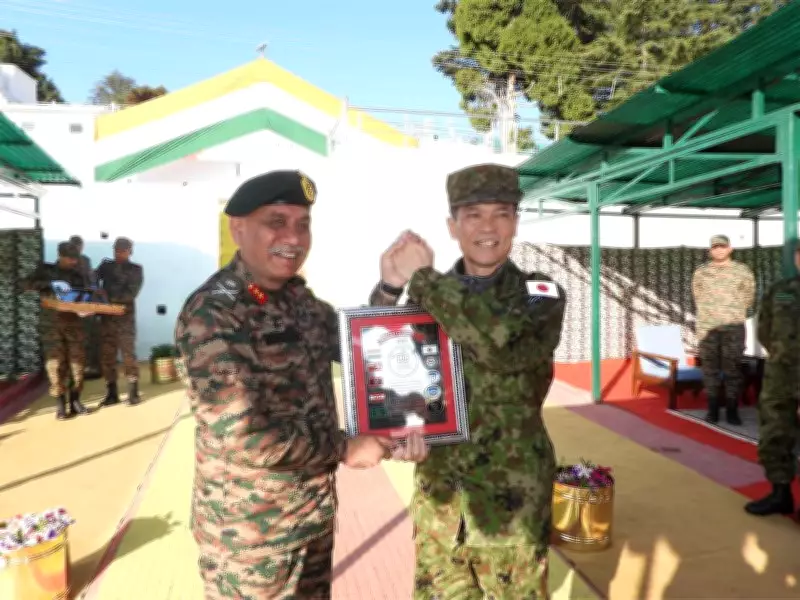
The exercise concluded with a formal closing ceremony, where senior military officials from both sides commended the professionalism and dedication displayed by all participants. They emphasized the exercise's success in achieving its goals of enhancing tactical proficiency and fostering stronger bilateral defense relations. The outcomes of Dharma Guardian 2026 are anticipated to inform future collaborative efforts, potentially including more complex exercises involving multiple domains such as naval and aerial components.
- Improved interoperability between Indian and Japanese ground forces.
- Enhanced capabilities in counter-terrorism and urban warfare tactics.
- Strengthened strategic partnership contributing to regional security architecture.
- Foundation laid for expanded defense cooperation in upcoming bilateral engagements.
In summary, the Dharma Guardian 2026 joint military exercise has successfully concluded, marking another milestone in the robust and evolving defense relationship between India and Japan. By focusing on practical training and shared strategic objectives, this initiative not only enhances military readiness but also solidifies the foundation for continued cooperation in promoting peace and security across the Indo-Pacific region.