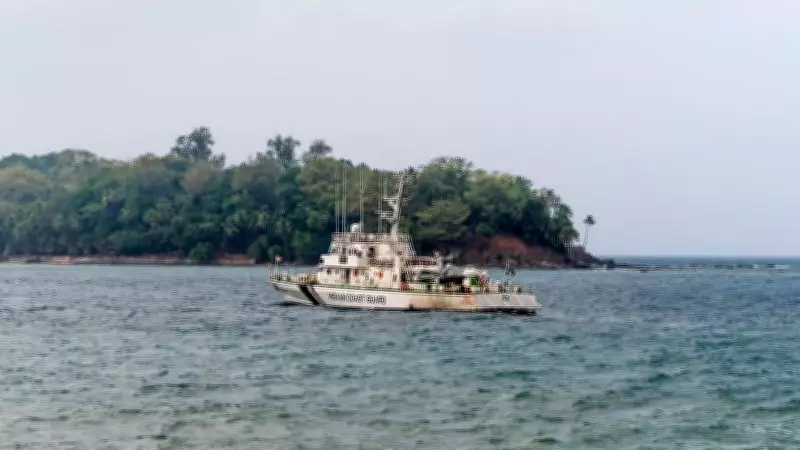
India Takes Decisive Action: Seizes Three US-Sanctioned Oil Tankers with Iranian Links
In a significant maritime enforcement operation, Indian authorities have seized three oil tankers that were previously sanctioned by the United States due to their alleged connections with Iran. This move underscores India's commitment to adhering to international sanctions regimes and bolstering its maritime security framework.
Details of the Seizure and International Implications
The seized vessels were identified as part of a network linked to Iran, which has been under stringent US sanctions targeting its oil exports. According to reports, the tankers were intercepted in Indian waters, and their seizure is seen as a proactive step by India to prevent potential violations of global sanctions. This action aligns with broader international efforts to curb illicit oil trade and enforce compliance with sanctions imposed on Iran.
Key aspects of the seizure include:

- The tankers were on a US sanctions list for their alleged involvement in transporting Iranian oil.
- Indian maritime agencies acted based on intelligence and coordination with international partners.
- This operation highlights India's growing role in regional maritime security and its adherence to global norms.
Strategic and Diplomatic Ramifications
The seizure of these tankers carries significant strategic and diplomatic weight. On one hand, it demonstrates India's willingness to enforce US-led sanctions, potentially strengthening bilateral ties with the United States. On the other hand, it may impact India's relations with Iran, a key regional partner, especially in energy and trade sectors. Experts suggest that this move could be part of India's balancing act in navigating complex international relations while safeguarding its national interests.
Analysts note that such actions reflect India's evolving foreign policy, which increasingly prioritizes compliance with international law and security cooperation. The seizure also underscores the challenges faced by countries in managing sanctions enforcement amidst geopolitical tensions.
Broader Context and Future Outlook
This incident occurs against the backdrop of ongoing global efforts to monitor and restrict Iran's oil exports, which have been a focal point of US foreign policy. India, as a major importer of oil, has historically maintained a delicate balance in its dealings with Iran, often seeking waivers from US sanctions. However, the recent seizure indicates a possible shift towards stricter enforcement, possibly influenced by changing geopolitical dynamics and domestic security considerations.
Looking ahead, this action could set a precedent for future maritime operations by India and other nations in the region. It may also prompt discussions on the effectiveness of sanctions and the role of maritime powers in enforcing them. As India continues to enhance its naval capabilities and international partnerships, such seizures are likely to become more frequent, shaping the landscape of global maritime security.