India's Strategic Pivot: From Defying Pressure to Accepting a US Waiver on Russian Oil
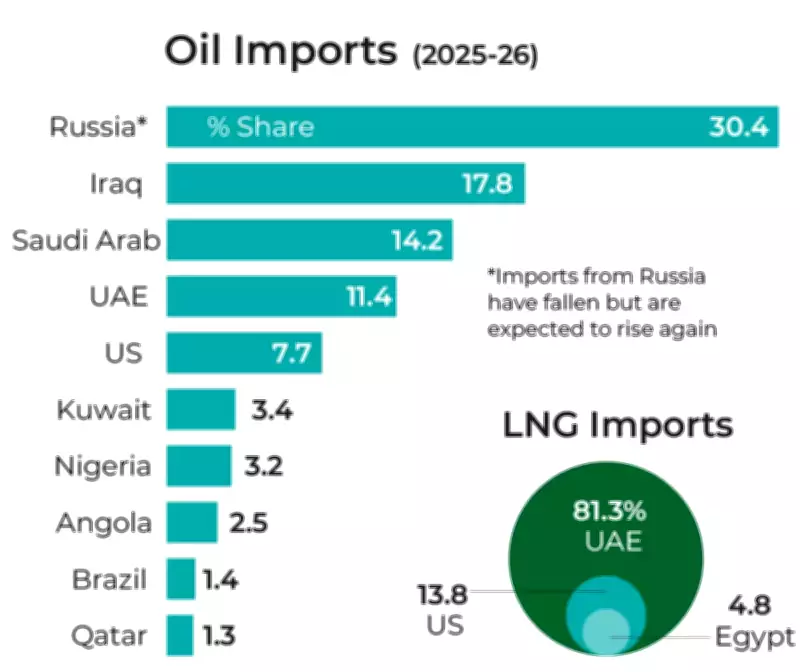
In a notable development that has captured the attention of global energy markets and geopolitical analysts, India has recently accepted a temporary waiver from the United States to purchase Russian crude oil. This move represents a significant shift from New Delhi's previous stance of steadfastly defying international pressure regarding its energy imports from Russia.
The Announcement and Its Immediate Context
US Treasury Secretary Scott Bessent formally announced "a temporary 30-day waiver" specifically designed to permit Indian refiners to acquire Russian crude cargoes that were "already stranded at sea." This decision was publicly framed as a short-term, pragmatic measure aimed at maintaining stability in global oil markets. The timing is crucial, coming amid significant disruptions in the Gulf region following the escalation of the US-Israel conflict with Iran.
The waiver essentially provides a legal and diplomatic cover for India to access these stranded shipments without facing potential sanctions or diplomatic repercussions from Washington. This intervention underscores the complex interplay between energy security, international law, and great power politics in today's volatile global landscape.

Contrasting with India's Previous Position
For years, India has maintained a position of strategic autonomy in its foreign policy, particularly concerning its energy imports. Despite mounting pressure from Western nations to reduce or eliminate purchases of Russian oil following geopolitical tensions, India had consistently defended its right to secure energy from diverse sources at competitive prices. This defiance was rooted in several key factors:
- Economic Necessity: As one of the world's largest importers of crude oil, India's growing economy is heavily dependent on affordable energy supplies.
- Strategic Partnerships: India has long-standing defense and diplomatic ties with Russia, which it has been careful to balance with its growing relationship with the United States.
- Energy Security: Diversifying oil sources is a cornerstone of India's national security strategy to avoid over-reliance on any single region or supplier.
Why the Shift Now? Analyzing the Underlying Factors
The acceptance of the US waiver, therefore, marks a discernible pivot. Within New Delhi's policy circles and among opposition parties, the optics of this move have been impossible to ignore. Several interconnected factors likely contributed to this strategic adjustment:
- Immediate Market Disruptions: The ongoing conflict in the Gulf has created tangible supply chain disruptions, making the stranded Russian cargoes particularly valuable for ensuring uninterrupted fuel supplies in India.
- Diplomatic Pragmatism: Accepting a waiver, rather than acting unilaterally, allows India to secure the oil while formally acknowledging US concerns and frameworks, thus preserving the broader India-US strategic partnership.
- Economic Pressure: Global oil price volatility poses a direct threat to India's fiscal stability and inflation targets. Accessing these specific cargoes may offer a temporary buffer against price shocks.
- Legal and Sanctions Avoidance: The waiver provides a clear, temporary legal pathway, shielding Indian companies from the risks of secondary sanctions that could arise from dealing with sanctioned entities.
Broader Implications and Future Trajectory
This episode is more than a simple transactional waiver; it is a case study in the evolving dynamics of global energy diplomacy. It highlights how even nations committed to strategic autonomy must navigate complex webs of alliance and pressure. The 30-day timeframe sets a clear but limited precedent, leaving open the question of India's long-term energy sourcing strategy vis-à-vis Russia and its relationship with Western powers.

Observers will be watching closely to see if this marks a one-off exception driven by extraordinary circumstances or signals a more nuanced, flexible approach in India's foreign policy calculus. The balancing act between national interest, economic imperative, and diplomatic alliance has never been more pronounced.