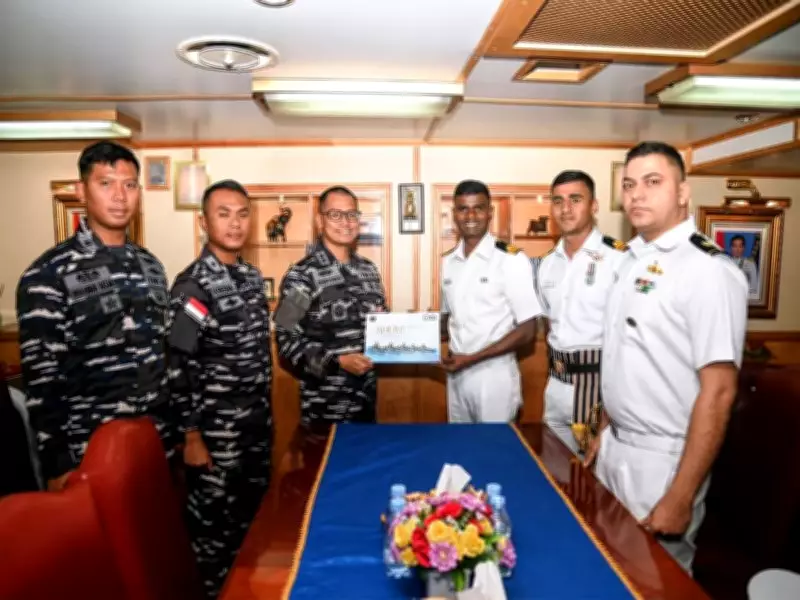
Naval Ships from Indonesia, UAE, and Bangladesh Converge for Indian Navy's Milan Exercise
In a significant display of maritime collaboration, naval vessels from Indonesia, the United Arab Emirates, and Bangladesh have joined the Indian Navy for the prestigious International Fleet Review and Exercise Milan. This multinational gathering underscores the growing importance of naval diplomacy and cooperative security efforts in the Indo-Pacific region.
Strengthening Regional Maritime Ties
The participation of these three nations highlights India's strategic outreach and commitment to fostering robust naval partnerships. The Indonesian Navy, UAE Naval Forces, and Bangladesh Navy have dispatched their ships to engage in a series of coordinated drills and tactical maneuvers designed to enhance interoperability and mutual understanding among the participating fleets.
Exercise Milan, a biennial event hosted by the Indian Navy, serves as a premier platform for naval forces from across the globe to converge, share best practices, and build trust. This year's edition has attracted considerable attention due to the inclusion of key regional players, reflecting the evolving dynamics of maritime security in Asia.

Key Objectives and Activities
The International Fleet Review component of the exercise allows for a ceremonial inspection of the assembled warships, showcasing naval prowess and technological advancements. Following the review, the operational phase involves:
- Complex surface warfare exercises to test combat readiness and coordination.
- Anti-submarine warfare drills aimed at countering underwater threats.
- Maritime interdiction operations focusing on law enforcement and anti-piracy measures.
- Search and rescue simulations to improve humanitarian response capabilities.
These activities are meticulously planned to simulate real-world scenarios, ensuring that the participating navies can effectively collaborate during emergencies or joint missions. The inclusion of Indonesia, UAE, and Bangladesh adds diverse operational perspectives and enriches the training value of the exercise.
Strategic Implications and Future Prospects
The convergence of these naval forces at Exercise Milan is not merely a routine military drill; it carries profound strategic implications. By engaging with Indonesia, a key maritime neighbor in Southeast Asia, the UAE, a vital partner in the Middle East, and Bangladesh, a close ally in South Asia, the Indian Navy is reinforcing its role as a net security provider in the region.
This collaborative effort is expected to bolster collective capabilities in addressing common challenges such as piracy, smuggling, and natural disasters. Moreover, it sets the stage for future joint ventures and defense agreements, potentially leading to more integrated maritime security frameworks.
As the exercise progresses, observers anticipate that the lessons learned and relationships forged will contribute to a more stable and secure maritime environment. The Indian Navy's initiative in hosting such a comprehensive event demonstrates its commitment to promoting peace and stability through cooperative engagement.