

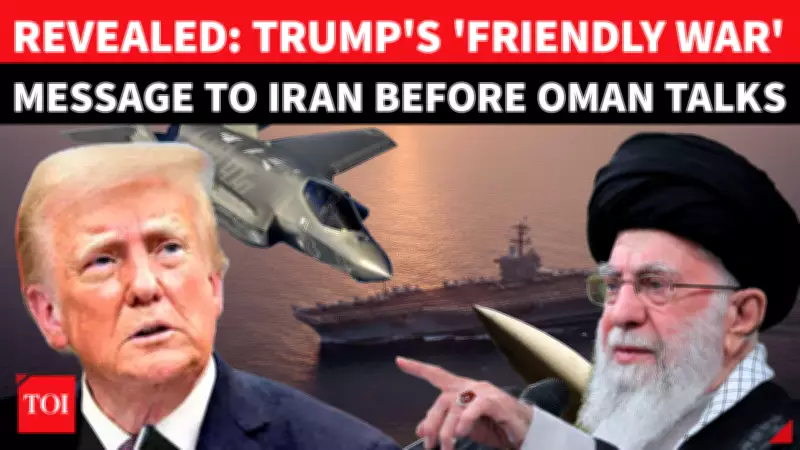
Iran Issues Stark Warning of 3000-4000 US Casualties After Rejecting Trump's Secret Proposal
A startling revelation from Iran has intensified concerns over the volatile state of US-Iran relations. According to Iranian Member of Parliament Mahmoud Nabavian, former US President Donald Trump sent a clandestine message ahead of indirect nuclear negotiations in Oman, proposing a coordinated military action.
The Alleged Backchannel Proposal and Iran's Forceful Rejection
Nabavian asserts that Trump's secret offer involved pre-arranged American strikes on specific Iranian targets, followed by a limited retaliatory response from Tehran, ostensibly to de-escalate long-standing tensions. However, Iran reportedly dismissed this proposal outright, responding with a chilling threat of massive American casualties.
The Iranian lawmaker warned that any such military action would result in "3000 to 4000 American casualties," signaling Tehran's readiness for a severe confrontation. This explicit threat underscores Iran's firm stance against what it perceives as provocative US maneuvers.

Escalating Tensions and Regional Implications
With Washington maintaining silence on the allegations and Iranian officials reiterating their red lines, the situation remains dangerously precarious. US military officials have been projecting assertive signals in the region following the Oman talks, further fueling anxieties.
Analysts fear that the region is "one miscalculation away from catastrophe," as both nations appear entrenched in their positions. The rejection of Trump's alleged proposal, coupled with Iran's formidable warning, highlights the deep mistrust and potential for rapid escalation.
Broader Context of US-Iran Brinkmanship
This incident occurs against a backdrop of ongoing indirect nuclear negotiations and heightened military posturing. The involvement of a US aircraft carrier strike group advancing towards the region, as indicated by CENTCOM, adds to the strategic complexity.
Key factors contributing to the current standoff include:
- Iran's unwavering commitment to its nuclear and regional policies
- US strategic interests and security assurances in the Middle East
- The legacy of previous administrations' approaches to Iran
- Regional alliances and power dynamics influencing both nations' actions
The alleged backchannel communication and its vehement rejection by Tehran illustrate the high-stakes diplomacy and military calculations defining US-Iran relations. As both sides navigate this tense landscape, the threat of significant casualties serves as a grim reminder of the potential human cost of any escalation.






