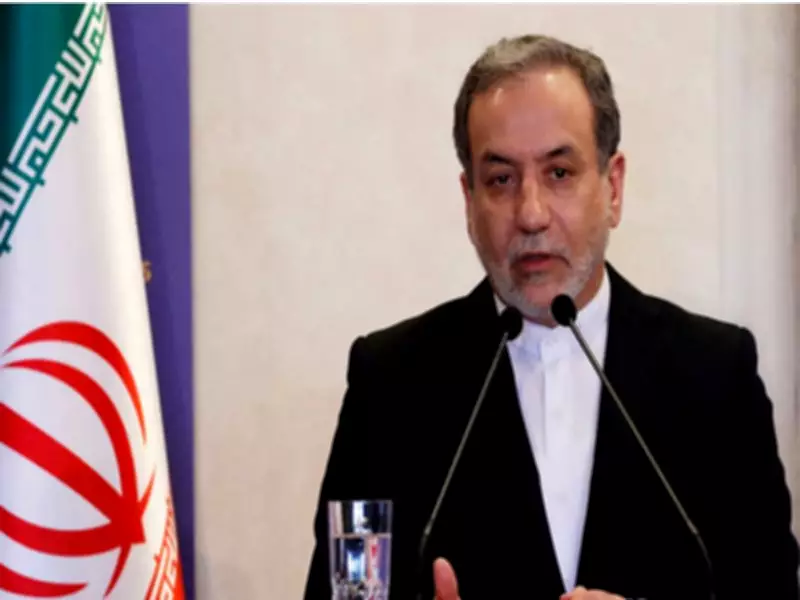
Iran Calls for Diplomatic Dialogue Between Afghanistan and Pakistan
In a significant diplomatic statement, Iranian Foreign Minister Hossein Amir-Abdollahian has emphasized that it is fitting and appropriate for Afghanistan and Pakistan to resolve their longstanding differences through peaceful dialogue. This call comes amid ongoing tensions between the two neighboring nations, which have historically faced border disputes, security concerns, and political disagreements.
Emphasis on Regional Stability and Cooperation
The Iranian minister underscored the importance of regional stability and mutual cooperation, noting that unresolved conflicts can have far-reaching implications for the broader South Asian and Middle Eastern regions. He highlighted Iran's role as a mediator and its vested interest in fostering peaceful relations among neighboring countries.
Amir-Abdollahian pointed out that dialogue is not only a practical solution but also a moral imperative in international relations. He urged both nations to engage in constructive talks to address issues such as cross-border terrorism, refugee movements, and economic cooperation, which have been persistent sources of friction.

Historical Context and Current Challenges
Afghanistan and Pakistan share a complex history marked by periods of cooperation and conflict. Key challenges include:
- Border Disputes: The Durand Line, a contentious border established in 1893, remains a point of contention, with Afghanistan not formally recognizing it.
- Security Issues: Allegations of cross-border militant activities have led to frequent skirmishes and diplomatic spats.
- Political Tensions: Differences in governance approaches and regional alliances have further strained relations.
Iran's intervention is seen as a timely effort to prevent escalation, especially given the recent political changes in Afghanistan and Pakistan's evolving foreign policy stance.
Iran's Diplomatic Role and Future Prospects
As a key regional player, Iran has often positioned itself as a facilitator in regional disputes. The foreign minister's statement aligns with Iran's broader foreign policy objectives, which prioritize diplomatic engagement and conflict resolution through peaceful means.
Experts suggest that Iran's call for dialogue could pave the way for multilateral talks involving other stakeholders, potentially leading to confidence-building measures and joint initiatives. However, success will depend on the willingness of Afghanistan and Pakistan to set aside differences and commit to sustained negotiations.
In conclusion, the Iranian foreign minister's appeal highlights the critical need for Afghanistan and Pakistan to embrace dialogue as the primary tool for resolving their differences. This approach not only serves their national interests but also contributes to the overall peace and stability of the region.