

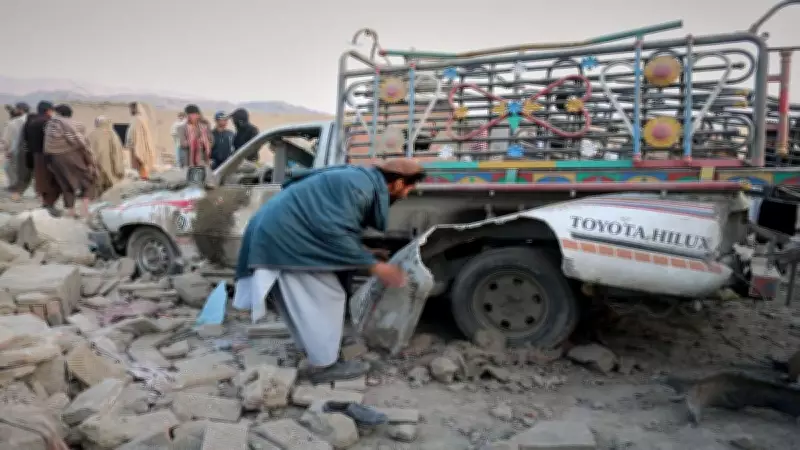
Iran Calls for Ramadan Dialogue to Defuse Pakistan-Afghanistan Tensions
In a significant diplomatic move, Iran has urged Pakistan and Afghanistan to engage in dialogue during the holy month of Ramadan to defuse escalating tensions and prevent an open war. The Iranian government has offered its full mediation support to facilitate peaceful negotiations between the two neighboring countries, emphasizing the importance of regional stability and cooperation.
Iran's Mediation Offer and Ramadan Initiative
Iran's proposal centers on leveraging the spiritual significance of Ramadan, a time traditionally associated with peace and reflection in the Islamic world, to foster constructive talks. Officials from Iran have expressed deep concern over the recent military clashes and political disputes between Pakistan and Afghanistan, which threaten to destabilize the broader region. By offering mediation, Iran aims to act as a neutral intermediary, helping both sides address grievances and find common ground through diplomatic channels.
The Iranian foreign ministry has highlighted that dialogue is essential to avoid further escalation, noting that prolonged conflict could have severe humanitarian and economic consequences. Iran's involvement is seen as a proactive step, given its historical ties and geographic proximity to both nations, positioning it as a credible partner in conflict resolution efforts.

Background of Pakistan-Afghanistan Tensions
Tensions between Pakistan and Afghanistan have been simmering for years, driven by issues such as border disputes, cross-border militant activities, and political disagreements. Recent incidents, including skirmishes along the Durand Line and accusations of harboring insurgents, have heightened fears of a larger confrontation. Both countries have engaged in military posturing, raising alarms among international observers about the potential for a full-scale conflict.
Analysts point out that the situation is compounded by internal challenges in both nations, such as economic instability and security threats from non-state actors. This makes Iran's call for dialogue particularly timely, as external mediation could provide a much-needed avenue for de-escalation.
Regional Implications and International Response
The offer of mediation by Iran carries significant regional implications. If successful, it could enhance Iran's diplomatic standing in South Asia and the Middle East, showcasing its ability to broker peace in volatile situations. Moreover, it aligns with broader international efforts to promote stability in Afghanistan and its neighbors, especially as global powers monitor the situation closely.
Responses from Pakistan and Afghanistan have been cautiously optimistic, with both governments acknowledging the need for dialogue but stopping short of fully committing to Iran's proposal. International bodies, including the United Nations, have welcomed Iran's initiative, urging all parties to prioritize peaceful resolution over military action.
Potential Outcomes and Future Steps
Looking ahead, the success of Iran's Ramadan dialogue initiative will depend on several factors:
- Willingness of Pakistan and Afghanistan to engage in good-faith negotiations, setting aside historical animosities for the sake of regional peace.
- Iran's ability to maintain neutrality and build trust between the two sides, ensuring that mediation efforts are perceived as fair and effective.
- Support from the international community, which could provide additional diplomatic pressure or resources to facilitate talks.
If dialogue progresses, it could lead to confidence-building measures, such as ceasefire agreements or joint security protocols, ultimately reducing the risk of war. However, failure to seize this opportunity might result in further militarization and instability, with ripple effects across Central and South Asia.
In conclusion, Iran's call for Ramadan dialogue represents a critical opportunity to defuse tensions between Pakistan and Afghanistan. By offering full mediation support, Iran underscores the urgency of diplomatic solutions in an increasingly volatile region, hoping to pave the way for lasting peace and cooperation.






