

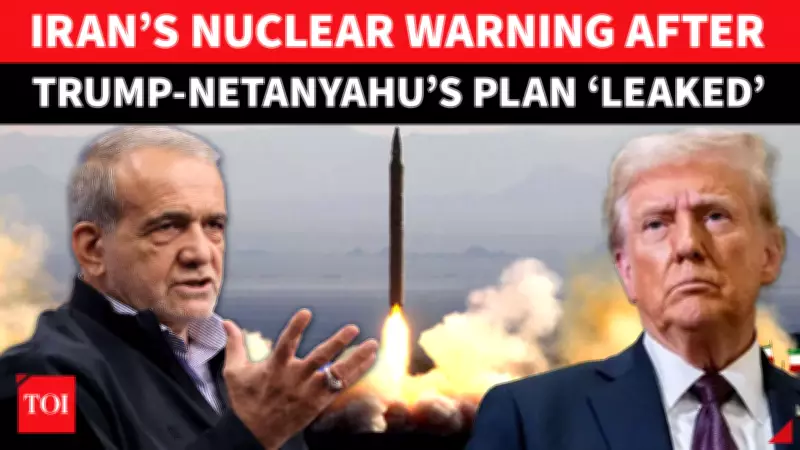
Iranian President Delivers Defiant Nuclear Message After Trump-Netanyahu Summit
In a bold display of national resolve, Iranian President Masoud Pezeshkian delivered a defiant address to thousands of supporters at Tehran's Azadi Square, marking the 47th anniversary of the Islamic Revolution. The speech came shortly after a crucial meeting between former US President Donald Trump and Israeli Prime Minister Benjamin Netanyahu, creating a tense geopolitical backdrop for Iran's annual celebration.
Nuclear Deterrence and Diplomatic Warnings
President Pezeshkian declared that Iran will not yield to excessive demands from foreign powers, sending a clear warning to Washington regarding its nuclear program. While maintaining that Iran's nuclear activities remain peaceful and open to international verification, the president emphasized Tehran's readiness to retaliate if provoked by external threats.
"We are prepared to negotiate in good faith, but equally prepared to defend our sovereignty with all necessary means," Pezeshkian stated, blending diplomatic overtures with unmistakable security threats. The anniversary celebration transformed into a powerful demonstration of national unity and military preparedness, with military displays accompanying the political rhetoric.

Rejection of Expanded Negotiation Terms
In a significant policy declaration, Tehran explicitly rejected proposals to expand nuclear negotiations to include discussions about Iran's missile program or regional influence. This position establishes clear boundaries for any future diplomatic engagement with Western powers, particularly the United States.
The timing of Pezeshkian's address appears strategically calculated, following the high-profile meeting between Trump and Netanyahu that reportedly focused on Middle Eastern security concerns, including Iran's nuclear ambitions. Iranian officials have interpreted this summit as potentially signaling renewed pressure on Tehran's strategic programs.
Anniversary as Platform for Strategic Messaging
The Islamic Revolution anniversary served as more than a historical commemoration, evolving into a platform for strategic messaging to both domestic and international audiences. The event showcased:
- Military capabilities through public displays
- Political unity among Iranian leadership
- Resilience against external pressure campaigns
- Diplomatic positioning for future negotiations
Analysts note that Pezeshkian's speech represents a carefully calibrated response to what Iranian officials perceive as increasing external threats. By combining assertions of peaceful intent with warnings of retaliatory capability, Tehran seeks to maintain diplomatic options while deterring potential military actions.
Regional and Global Implications
The Iranian president's statements carry significant implications for regional stability and global non-proliferation efforts. As Middle Eastern tensions remain elevated, Tehran's firm position on its nuclear program creates potential challenges for international diplomacy and security arrangements.
The coming months will likely test whether this defiant posture leads to renewed negotiations or increased confrontation, particularly as global powers assess their responses to Iran's nuclear deterrence claims following the Trump-Netanyahu strategic consultation.






