

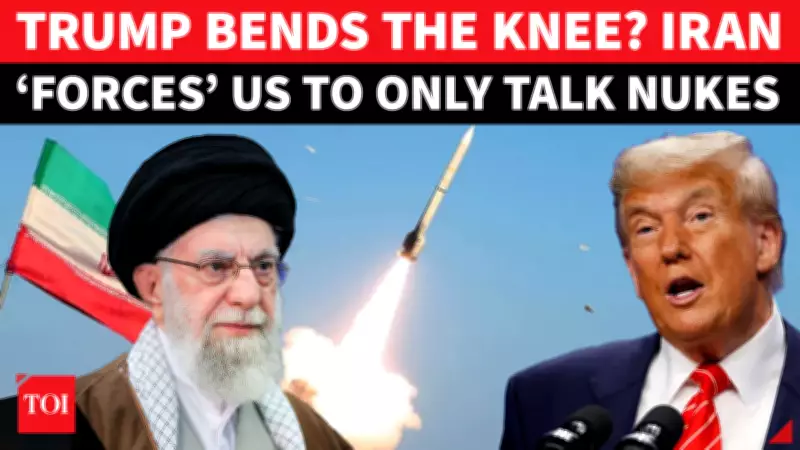
Iran Issues Firm Nuclear Warning, Vows to Continue Enrichment Program
Iran has delivered a resolute message to the international community, declaring its unwavering commitment to continue uranium enrichment activities. This announcement serves as a powerful signal to Western nations that Tehran has no intention of suspending its nuclear development program. The declaration comes at a critical diplomatic juncture, coinciding with high-level discussions between Iranian and American officials in Oman.
Religious Principles Underpin Nuclear Stance
Senior Iranian cleric Ahmad Khatani emphasized that Iran's opposition to nuclear weapons is fundamentally rooted in religious doctrine. "Our position against nuclear armament stems from deep religious convictions," Khatani stated. "However, this does not mean we will abandon our legitimate nuclear energy program. Iran will not give up its nuclear rights under any circumstances."
The cleric's remarks highlight the ideological foundation of Iran's nuclear policy, suggesting that any negotiations must respect these fundamental principles. This religious framing adds a significant dimension to the ongoing diplomatic efforts, potentially complicating discussions with Western powers who have expressed concerns about Iran's nuclear ambitions.

Diplomatic Talks Commence Amid Tensions
On the same day as Khatani's declaration, Iranian and American officials engaged in talks in Oman, marking a renewed attempt at dialogue between the long-standing adversaries. Iranian Foreign Minister Abbas Araghchi characterized the discussions as "a positive beginning" but emphasized that certain conditions must be met for progress to continue.
Araghchi specifically insisted that ballistic missile programs must remain outside the negotiation framework, a position that directly challenges previous American demands for comprehensive discussions covering all aspects of Iran's military capabilities. This stance reflects Tehran's determination to maintain defensive capabilities while engaging in nuclear negotiations.
Strategic Implications and Regional Context
The timing of Iran's nuclear declaration carries significant strategic weight. By reaffirming its enrichment activities during diplomatic talks, Tehran appears to be establishing clear boundaries for negotiations while demonstrating its resolve to continue nuclear development. This approach suggests Iran seeks to negotiate from a position of strength, using its ongoing nuclear program as leverage in discussions with the United States and other Western powers.
The situation unfolds against a backdrop of regional tensions and shifting global alliances. Iran's nuclear program has long been a source of international concern, with previous agreements attempting to limit enrichment activities in exchange for sanctions relief. The current developments indicate Tehran may be pursuing a more assertive nuclear policy, potentially challenging existing diplomatic frameworks.
International Response and Future Prospects
The international community now faces the complex task of responding to Iran's dual approach of diplomatic engagement coupled with firm nuclear declarations. Western nations must navigate between encouraging constructive dialogue and addressing legitimate non-proliferation concerns. The success of ongoing talks may depend on finding common ground between Iran's insistence on maintaining its nuclear program and international demands for transparency and limitations.
As discussions continue, several key questions remain unanswered: Will Iran's religious framing of its nuclear policy create new obstacles for negotiations? Can diplomatic channels remain open while enrichment activities continue? How will other regional powers respond to these developments? The answers to these questions will significantly influence the trajectory of nuclear diplomacy in the coming months.






