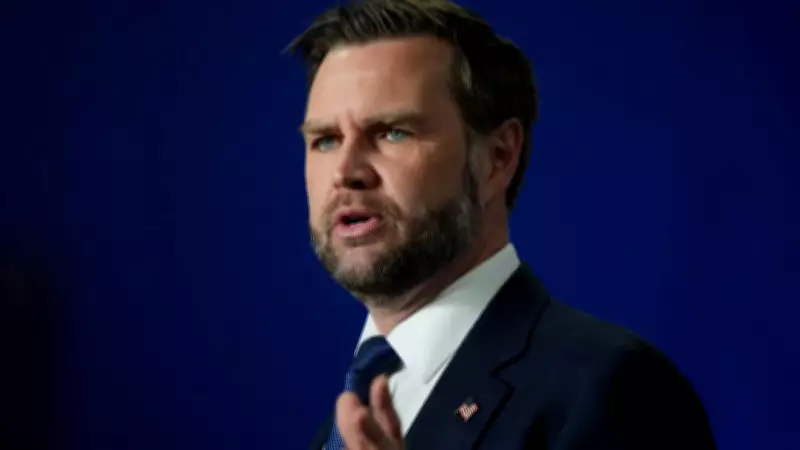
US Vice President JD Vance has emerged as one of the most prominent figures in President Donald Trump's administration during efforts to end the three-month war with Iran. As Reuters reported, Trump has effectively placed Vance at the centre of negotiations aimed at turning a fragile ceasefire into a broader political settlement, giving the vice president his highest-profile foreign policy assignment to date.
High Stakes for Vance
The role carries significant risks. The provisional agreement between Washington and Tehran has paused hostilities and reopened the Strait of Hormuz, but many of the conflict's most difficult questions remain unresolved. Iran's nuclear programme, its support for regional armed groups and wider security arrangements across the Middle East are all due to be negotiated within a 60-day window.
For Vance, however, the negotiations also present an opportunity. Long regarded as a leading contender for the Republican presidential nomination in 2028, he now finds himself acting as the public face of a diplomatic effort that could define both Trump's second term and his own political future.

Trump himself acknowledged the stakes during the G7 summit, joking that if the deal succeeds he would take the credit, but if it fails he would blame Vance. Behind the humour was a recognition that the vice president is now closely tied to the outcome.
From Critic of Wars to Chief Negotiator
Vance built much of his political identity around opposition to prolonged U.S. military interventions abroad. Throughout the Iran conflict, he repeatedly urged caution and advocated a diplomatic exit rather than a wider regional war.
That background has allowed him to position himself as a bridge between Trump's military campaign and the administration's push for negotiations. Speaking at a White House briefing, Vance argued that Iran faced a clear choice: change its behaviour and pursue a different relationship with the region, or continue facing the consequences of military defeat.
Reuters reported that some influential Republicans have credited him with shaping the peace initiative. Senator Lindsey Graham described Vance as the "architect" of the agreement and suggested he should eventually present any final deal to the Senate.
The prominence of the role has also raised eyebrows in Washington because Vance, rather than Secretary of State Marco Rubio, has become the administration's chief public advocate for the negotiations.
A High-Risk Test for 2028
The political rewards for Vance could be considerable if the talks succeed. A lasting agreement that stabilises the Gulf, restores energy flows and limits Iran's nuclear ambitions would allow him to claim a major foreign policy achievement before any presidential campaign begins.
Yet the risks are equally substantial. Negotiations scheduled to begin in Switzerland were delayed after renewed fighting between Israel and the Iran-backed Hezbollah movement in Lebanon threatened to derail the process. Iranian officials postponed their participation, while Vance cancelled a planned trip to Switzerland as diplomatic efforts continued.
Critics from both parties have already questioned elements of the provisional agreement. Some Republicans argue that Tehran has received significant concessions, while others remain sceptical about proposals that could eventually unlock billions of dollars for Iran's reconstruction.
Catch the latest world news and top headlines. Download the TOI App.
About the Author
TOI World Desk: At TOI World Desk, our dedicated team of seasoned journalists and passionate writers tirelessly sifts through the vast tapestry of global events to bring you the latest news and diverse perspectives round the clock. With an unwavering commitment to accuracy, depth, and timeliness, we strive to keep you informed about the ever-evolving world, delivering a nuanced understanding of international affairs to our readers. Join us on a journey across continents as we unravel the stories that shape our interconnected world.