Namo Bharat RRTS Records Milestone Ridership Amid Cleanliness Concerns
The newly inaugurated National Capital Region Transport Corporation's Namo Bharat Regional Rapid Transit System (RRTS) corridor, which connects Delhi and Meerut, experienced a significant surge in passenger numbers on its first full day of commercial operations. However, this achievement has been somewhat overshadowed by emerging issues of littering and public hygiene at various stations along the route.
Historic Passenger Numbers and Celebratory Atmosphere
On Monday, the National Capital Region Transport Corporation achieved its highest-ever ridership, comfortably surpassing the one lakh passenger milestone. This remarkable figure represents a major success for the newly expanded 82-kilometer Delhi-Meerut corridor, which was recently inaugurated by Prime Minister Narendra Modi to mark the beginning of full commercial operations.
Visual documentation from multiple stations captured a genuinely festive environment, with families and young commuters gathering in substantial numbers throughout the day. Many passengers were observed taking selfies both inside the trains and on the platforms, while some enthusiastic commuters chanted patriotic slogans and showered flower petals as trains arrived at stations, reflecting the widespread excitement surrounding this transformative transportation launch.

Emerging Cleanliness Challenges
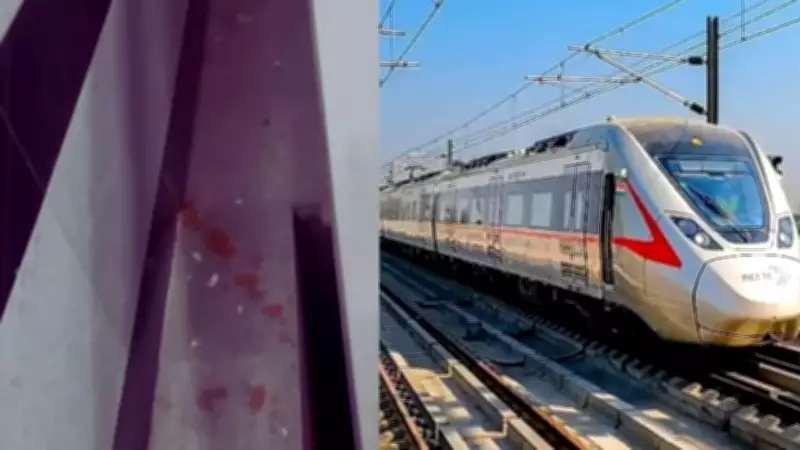
Despite the celebratory mood and impressive ridership statistics, several concerning incidents have come to light that threaten to compromise the world-class infrastructure. A circulating video purportedly shows gutkha (chewing tobacco) stains on walls and in corners of station premises, while multiple commuters were witnessed discarding used paper tokens and entry tickets directly on station floors rather than utilizing the dustbins installed throughout the facilities.
These incidents have sparked considerable criticism across social media platforms, with numerous citizens and observers calling for stricter enforcement of cleanliness norms and the implementation of appropriate penalties to ensure the long-term preservation of this significant public infrastructure investment.
Infrastructure Significance and Maintenance Imperatives
The Namo Bharat system represents a major advancement in regional transportation, designed to operate at speeds of up to 180 kilometers per hour. This high-speed transit network aims to dramatically reduce travel time between Delhi and key urban centers including Sahibabad, Ghaziabad, Modinagar, and Meerut, potentially transforming regional connectivity and economic integration.
Urban planning experts and civic observers emphasize that maintaining proper hygiene standards and public discipline will be absolutely crucial for preserving both the physical infrastructure and the quality of commuter experience over the long term. While officials have not yet released a detailed statement addressing the specific littering incidents, authorities are anticipated to intensify awareness campaigns and enforcement measures to prevent damage to this newly launched service.
Looking Forward
The dual narrative of the Namo Bharat RRTS launch—combining record-breaking ridership achievements with emerging cleanliness challenges—highlights the complex dynamics of introducing major public infrastructure projects. As the system continues its operations, the response from both commuters and authorities to these initial issues will likely set important precedents for how India's ambitious transportation projects balance technological advancement with sustainable public behavior and maintenance protocols.