Pakistan-Afghanistan Conflict Intensifies: India's Strategic Position and Response Options
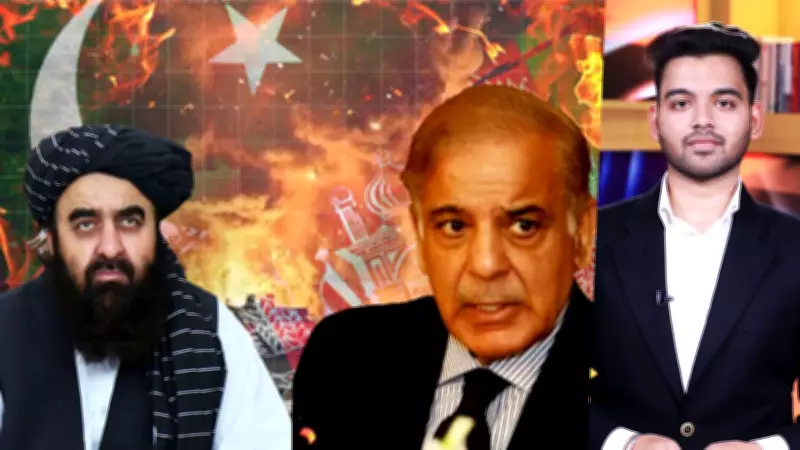
The ongoing conflict between Pakistan and Afghanistan has entered a dangerous new phase, with Pakistan's leadership openly discussing a potential two-front scenario that explicitly includes India in its strategic calculations. This development places New Delhi in an exceptionally delicate diplomatic position, requiring careful navigation of complex regional dynamics.
India's Diplomatic Stakes in the Escalating Crisis
While direct military action by India remains highly unlikely given the current circumstances, the diplomatic stakes have never been higher. India has consistently maintained a principled position supporting Afghan sovereignty and territorial integrity, while simultaneously criticizing civilian casualties during previous escalations of violence in the region.
New Delhi has firmly rejected Pakistan's repeated accusations of proxy involvement in Afghanistan, maintaining that India's engagement has been purely developmental and humanitarian in nature. The current crisis presents multiple overlapping challenges for Indian policymakers, who must balance strategic interests with regional stability concerns.

Risks and Opportunities for New Delhi
The intensifying conflict carries significant risks for India, including potential terror spillover across porous borders and broader regional instability that could undermine economic and security interests. The possibility of militant groups exploiting the chaos to launch attacks against Indian interests remains a persistent concern for security agencies.
However, the crisis also presents India with strategic opportunities to reinforce its role as a stabilizing force in South Asia. Through calibrated diplomatic engagement and continued humanitarian assistance, New Delhi can demonstrate its commitment to regional peace while countering narratives about its intentions in Afghanistan.
India's Response Framework and Strategic Calculations
India's response will likely focus on several key areas:
- Diplomatic Engagement: Intensified dialogue with regional partners and global powers to prevent further escalation
- Humanitarian Assistance: Continued support for Afghan civilians affected by the conflict
- Security Coordination: Enhanced intelligence sharing with friendly nations to monitor terror threats
- Strategic Restraint: Avoiding actions that could be perceived as provocative while maintaining defensive preparedness
The coming weeks will severely test Delhi's diplomatic restraint, operational readiness, and overall regional strategy. India must walk a fine line between protecting its national interests and contributing to regional stability, all while managing complex relationships with multiple stakeholders in the Afghanistan conflict.
As the situation evolves, India's response will be closely watched by international observers who view New Delhi as a potential moderating influence in the region. The challenge lies in balancing principle with pragmatism, sovereignty concerns with humanitarian imperatives, and strategic interests with regional stability requirements.