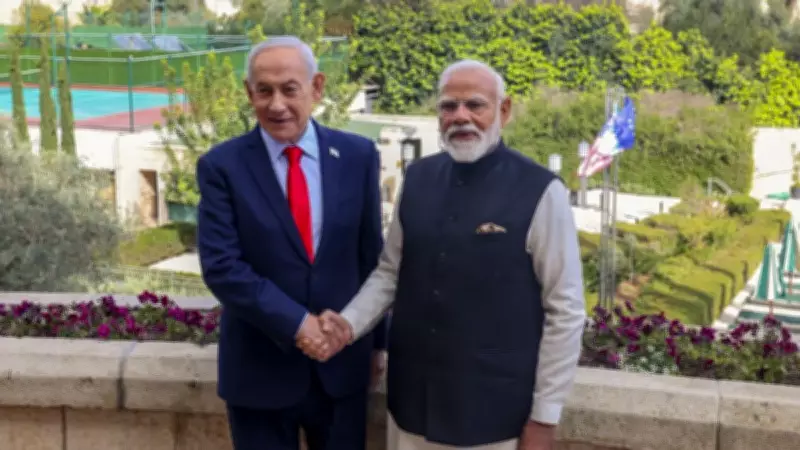
PM Modi and Israeli PM Netanyahu Discuss West Asia Conflict in High-Level Call
In a significant diplomatic engagement, Prime Minister Narendra Modi held a telephonic conversation with Israeli Prime Minister Benjamin Netanyahu on March 2, 2026. The discussion focused on the ongoing and escalating conflict in the West Asia region, highlighting India's proactive role in international diplomacy and its commitment to fostering peace and stability in volatile areas.
Key Points of the Diplomatic Dialogue
The leaders addressed several critical aspects of the West Asia conflict, which has seen renewed tensions and violence in recent months. Prime Minister Modi reiterated India's longstanding position on the necessity of dialogue and peaceful resolution of disputes, urging all parties involved to exercise restraint and avoid actions that could further destabilize the region. He emphasized the importance of protecting civilian lives and ensuring humanitarian access, reflecting India's humanitarian concerns in conflict zones.
Prime Minister Netanyahu provided updates on Israel's perspective and security challenges, detailing the current situation on the ground. The conversation also touched upon bilateral relations between India and Israel, with both leaders reaffirming their commitment to strengthening ties in areas such as trade, technology, and defense cooperation, despite the regional turmoil.

India's Strategic Diplomacy in Global Conflicts
This call underscores India's evolving diplomatic strategy under Prime Minister Modi's leadership, particularly in addressing complex international conflicts. India has consistently advocated for a balanced approach in West Asia, supporting the rights and security of all nations while promoting peace initiatives. The discussion with Netanyahu is part of a broader effort by India to engage with key stakeholders in the region, including other Middle Eastern countries, to de-escalate tensions and encourage constructive dialogue.
Analysts note that such high-level interactions demonstrate India's growing influence on the global stage, as it navigates delicate geopolitical landscapes. The timing of the call, amid heightened conflict, signals India's urgency in contributing to conflict resolution efforts, aligning with its role as a responsible global power committed to international law and order.
Implications for Regional and Global Stability
The West Asia conflict has far-reaching implications, affecting not only regional security but also global economic and political dynamics. Key points from the Modi-Netanyahu conversation include:
- Humanitarian Focus: Emphasis on minimizing civilian casualties and ensuring aid reaches affected populations.
- Diplomatic Engagement: Call for increased international mediation and support for peace talks.
- Bilateral Cooperation: Continued collaboration between India and Israel on strategic projects, unaffected by regional disputes.
- Regional Stability: Shared concern over the spillover effects of the conflict on neighboring countries and global markets.
This dialogue is expected to pave the way for further diplomatic initiatives, with India potentially playing a mediator role in future negotiations. The conversation highlights the critical need for sustained international efforts to address the root causes of the conflict, including historical grievances and territorial disputes, to achieve a lasting peace in West Asia.