

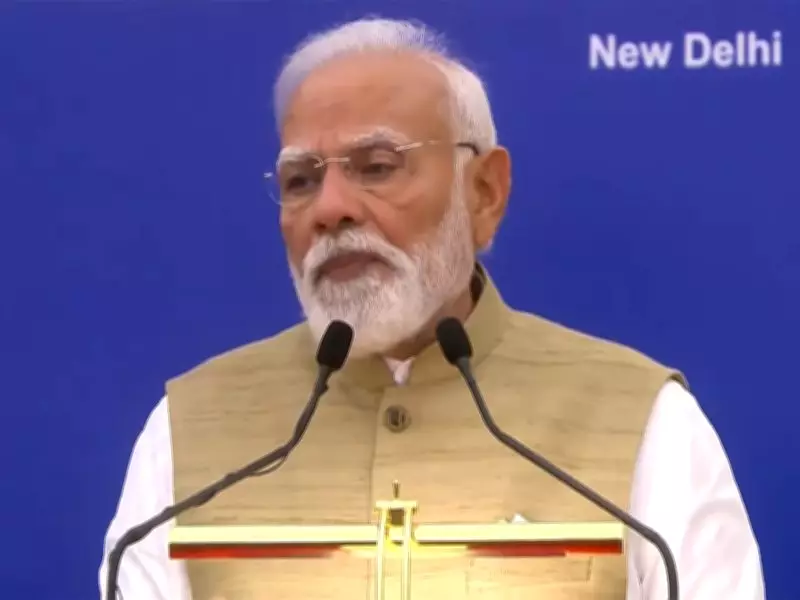
PM Modi Charts Strategic Course for Enhanced India-Canada Partnership
Prime Minister Narendra Modi has articulated a clear and comprehensive vision for the future of bilateral relations between India and Canada, identifying five key priority areas that are set to define the strategic partnership in the coming years. This significant diplomatic move underscores India's proactive approach to fostering deeper international cooperation, particularly with nations that share common democratic values and economic interests.
Five Pillars of the India-Canada Strategic Framework
The Prime Minister's outlined priorities serve as a robust framework designed to elevate the bilateral relationship to new heights. These pillars are not merely aspirational but are grounded in practical areas of mutual benefit and global significance.
- Clean Energy and Climate Action: A foremost priority is the acceleration of collaboration in the clean energy sector. This includes joint ventures in renewable energy technologies, sustainable infrastructure development, and shared initiatives aimed at combating climate change. Both nations are poised to leverage their respective strengths to drive innovation in solar, wind, and hydroelectric power.
- Critical Minerals and Resource Security: Recognizing the geopolitical importance of critical minerals, this priority focuses on securing supply chains for essential resources like lithium, cobalt, and rare earth elements. Enhanced cooperation in mining, processing, and ethical sourcing of these minerals is crucial for advancing technological sovereignty and economic resilience.
- Artificial Intelligence and Digital Innovation: The third pillar emphasizes deepening ties in the realm of artificial intelligence, machine learning, and digital technologies. This involves fostering research partnerships, talent exchange programs, and collaborative projects that harness AI for societal good, economic growth, and national security.
- Trade and Economic Integration: Strengthening bilateral trade and investment flows forms a core component of the strategy. Efforts will be directed towards reducing trade barriers, promoting cross-border investments, and exploring new avenues for economic cooperation that benefit businesses and consumers in both countries.
- People-to-People Connections and Cultural Exchange: The final priority highlights the importance of nurturing the strong human bonds between India and Canada. This includes enhancing educational exchanges, tourism, cultural diplomacy, and community engagement to build a lasting foundation of mutual understanding and friendship.
Strategic Implications and Global Context
This five-point agenda is strategically timed, reflecting India's growing role on the world stage and its commitment to building resilient international partnerships. The focus on clean energy and critical minerals aligns with global efforts to transition towards sustainable economies and secure essential resources amidst increasing geopolitical tensions.

The emphasis on artificial intelligence underscores the recognition of technology as a key driver of future prosperity and security. By prioritizing AI collaboration, India and Canada are positioning themselves at the forefront of the digital revolution, aiming to set global standards and foster innovation that addresses shared challenges.
Furthermore, the inclusion of trade and people-to-people ties ensures a holistic approach that balances economic interests with social and cultural dimensions. This comprehensive strategy is expected to not only boost bilateral relations but also contribute to stability and progress in the Indo-Pacific region and beyond.
Looking Ahead: A Future-Oriented Partnership
Prime Minister Modi's outline signals a forward-looking vision that moves beyond traditional diplomatic engagements. It calls for actionable cooperation in areas that are critical for the 21st century, from climate resilience to technological advancement.

The success of these priorities will depend on sustained dialogue, joint initiatives, and a shared commitment to implementing concrete projects. As both nations work towards realizing this framework, the India-Canada partnership is poised to become a model of strategic collaboration, driving mutual growth and addressing global issues through concerted efforts.





