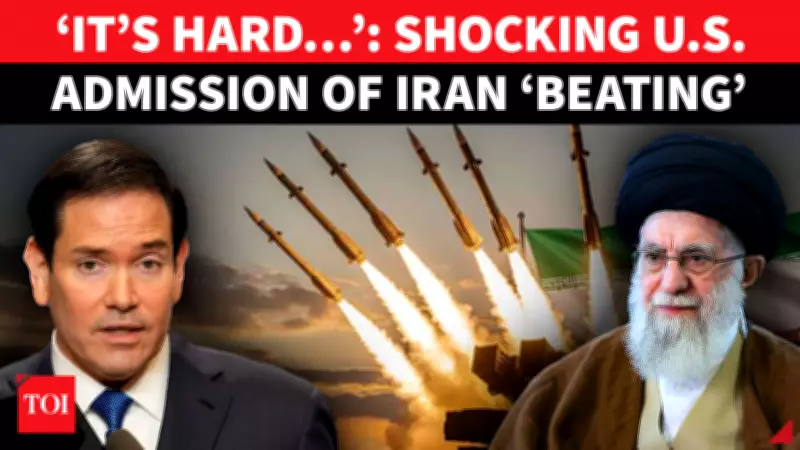
Marco Rubio's Candid Admission on Iran Nuclear Talks
U.S. Secretary of State Marco Rubio has made a striking admission regarding the ongoing nuclear negotiations with Iran, emphasizing the immense difficulties involved in reaching a deal. As American and Iranian officials prepare to resume high-stakes talks in Geneva, Rubio's comments highlight the escalating tensions and complex diplomatic landscape.
Challenges in Negotiating with Iran
Rubio underscored that "doing a deal with Iran is not easy," pointing to the formidable obstacles that both nations face. He stressed the ideological complexities inherent in negotiating with Tehran's leadership, which he described as being guided by radical Shia clerics. This theological dimension adds a layer of difficulty, as it intertwines with political strategies and international relations.
The Secretary of State cautioned that achieving a meaningful agreement will require navigating deep political and theological divides between Washington and Tehran. These divides are not merely procedural but are rooted in long-standing historical and religious conflicts, making compromise a challenging endeavor.

Context of Renewed Talks
The resumption of talks in Geneva comes amid heightened global scrutiny and regional instability. Rubio's warning serves as a reminder of the precarious nature of these negotiations, which aim to address Iran's nuclear program and prevent further escalation. The U.S. administration is under pressure to secure a deal that ensures regional security while respecting diplomatic protocols.
Experts note that the success of these talks hinges on mutual concessions and trust-building measures, both of which are currently in short supply. Rubio's admission reflects a broader sentiment within the U.S. government about the unpredictable and often adversarial nature of engaging with Iranian officials.
Implications for U.S. Foreign Policy
Rubio's statements have significant implications for U.S. foreign policy, particularly in the Middle East. They signal a cautious approach that prioritizes strategic patience over hasty agreements. This stance is likely to influence future diplomatic efforts and could shape international alliances and sanctions policies.
As the talks progress, observers will be watching closely for any breakthroughs or setbacks, with Rubio's candid assessment setting the tone for what promises to be a contentious and critical period in U.S.-Iran relations.