Russia Dismisses European Allegations of Navalny Poisoning as Unfounded
In a firm rebuttal on Monday, Russia rejected accusations from several European nations regarding the alleged poisoning of opposition figure Alexei Navalny, labeling the charges as "biased and baseless." Kremlin spokesman Dmitry Peskov, quoted by AFP, stated, "We naturally do not accept such accusations. We disagree with them. We consider them biased and baseless." This response came after a joint statement from Britain, Sweden, France, Germany, and the Netherlands on Saturday, which asserted that Navalny was poisoned with epibatidine, a toxic substance derived from poison dart frogs.
European Nations Present Evidence of Poisoning
The European countries detailed their findings in a coordinated declaration, pointing to the use of epibatidine as the method of poisoning. This substance, known for its high toxicity, has raised significant concerns about the circumstances surrounding Navalny's health. The joint statement underscores the ongoing international scrutiny of Russia's treatment of political dissidents, with these nations calling for a thorough investigation into the matter.
US Response: Acknowledgment Without Direct Comment
Meanwhile, the United States adopted a more cautious stance. US Secretary of State Marco Rubio commented, "Sometimes countries go out and do their thing based on the intelligence they have gathered. We obviously were aware of the report. It's a troubling report. Certainly we don't have any reason to question it or we're not disputing or getting into a fight with these countries over it." This indicates that while the US is not challenging the European claims, it is refraining from making explicit accusations against Russia, highlighting the delicate diplomatic balance in international relations.

Background on Alexei Navalny
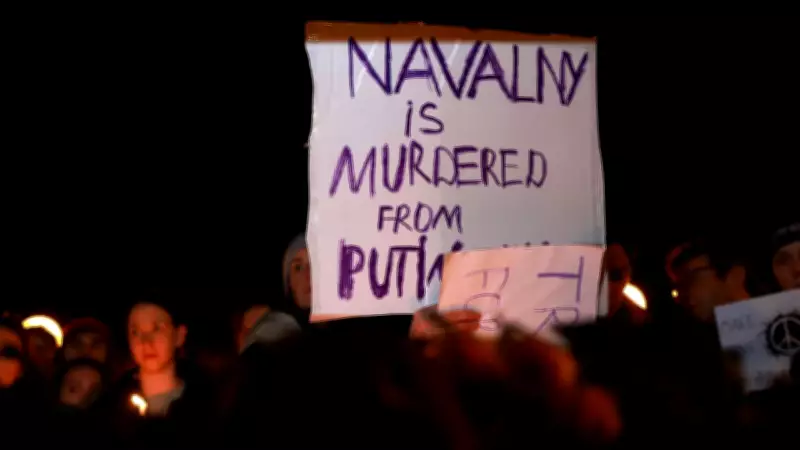
Alexei Navalny, recognized as the most prominent domestic critic of Russian President Vladimir Putin, died in February 2024 at an Arctic penal colony. He was serving a 19-year prison term at the time of his death. His passing has sparked widespread condemnation and calls for accountability from various global entities, adding to the long-standing tensions between Russia and Western nations over human rights and political freedoms.
The controversy surrounding Navalny's death continues to fuel debates on geopolitical dynamics, with Russia's rejection of the poisoning allegations further complicating efforts to achieve transparency and justice in this high-profile case.