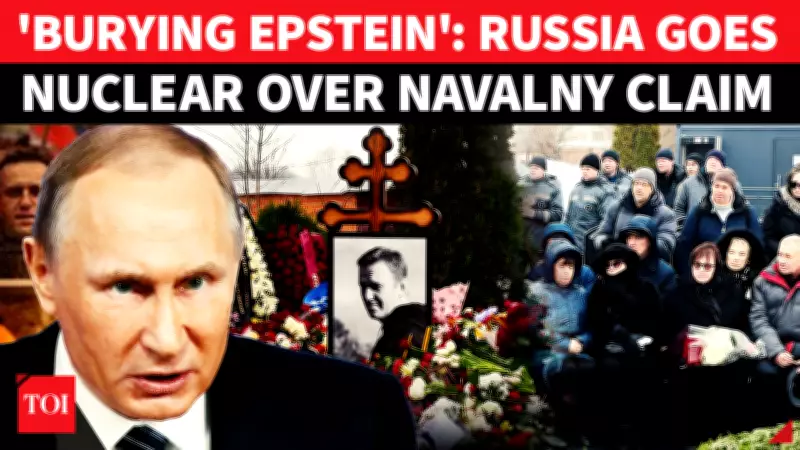
Russia Denies Navalny Poisoning Allegations, Accuses West of Epstein Diversion
Russia has issued a sharp rebuke to Western nations following claims by five European countries that Kremlin critic Alexei Navalny was poisoned to death. In a strongly worded statement, Russian foreign ministry spokesperson Maria Zakharova alleged that the poisoning accusation was fabricated by the West as a deliberate tactic to shift public focus away from the ongoing Epstein files scandal.
Escalating Diplomatic Tensions Over Navalny Case
The controversy erupted when multiple European nations publicly asserted that Navalny, a prominent opposition figure and vocal critic of President Vladimir Putin, had been fatally poisoned. These allegations have reignited long-standing tensions between Russia and Western powers, with Moscow dismissing them as baseless and politically motivated. Russian officials have consistently denied any involvement in Navalny's death, framing the incident as part of a broader pattern of Western interference in Russian internal affairs.
Epstein Scandal Cited as Motivation for Western Claims
In her statement, Zakharova explicitly linked the Navalny poisoning claims to the Epstein files scandal, suggesting that Western governments are using the allegations as a distraction from their own domestic controversies. The Epstein case, involving high-profile figures and allegations of criminal activities, has generated significant media attention and public scrutiny in Western countries. Russia's accusation implies that the West is attempting to bury the Epstein narrative by creating a new international crisis centered on Navalny.

Broader Implications for Russia-West Relations
This latest diplomatic clash comes amid already strained relations between Russia and Western nations, particularly over issues such as the Ukraine conflict and geopolitical rivalries. The Navalny case has long been a flashpoint, with previous poisoning incidents involving the opposition leader leading to sanctions and diplomatic expulsions. Russia's response indicates a hardening stance, with officials not only rejecting the poisoning claims but also launching a counter-narrative that portrays the West as manipulative and hypocritical.
International Reactions and Future Outlook
The allegations and Russia's forceful denial are likely to further complicate international diplomacy, potentially affecting cooperation on global issues. Western nations may face pressure to provide evidence for their claims, while Russia's framing of the issue as a diversion tactic could resonate in certain international circles. As both sides dig in their positions, the situation underscores the deepening divide between Moscow and Western capitals, with Navalny's legacy continuing to fuel geopolitical tensions.