Historic Political Transition in Bangladesh
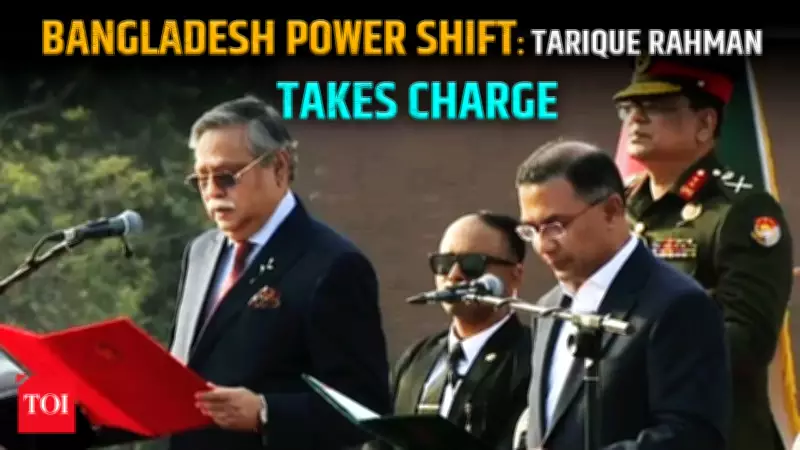
In a momentous ceremony at the Jatiya Sangsad Bhaban in Dhaka, Tarique Rahman was officially sworn in as the Prime Minister of Bangladesh. This event signifies a profound political transformation for the nation, ending decades of dominance by figures like Sheikh Hasina and his own mother, Khaleda Zia. The oath was administered by President Mohammed Shahabuddin, underscoring the constitutional legitimacy of this new chapter in Bangladesh's governance.
A Landslide Victory and Return from Exile
Tarique Rahman's ascension to power follows a decisive landslide victory for the Bangladesh Nationalist Party (BNP), which he now leads. His return from exile to assume this role adds a dramatic personal narrative to the political shift, highlighting the resilience and strategic planning of the BNP in recent years. This victory represents a clear mandate from the Bangladeshi electorate for change and new leadership directions.
International Engagement and Diplomatic Signals
The swearing-in ceremony was attended by key international representatives, most notably Om Birla from India. His presence is a strong indicator of renewed diplomatic engagement between India and the new Bangladeshi government. As the son of former President Ziaur Rahman, Tarique Rahman's leadership is poised to reshape bilateral relations, with India showing early interest in fostering collaborative ties under his administration.

Implications for Bangladesh's Political Landscape
This political shift is expected to have far-reaching implications:
- End of an Era: The dominance of long-standing political dynasties is challenged, opening the door for fresh policies and governance approaches.
- BNP's Resurgence: Under Rahman's leadership, the BNP has demonstrated significant electoral strength, potentially altering future political dynamics.
- Regional Relations: With India's proactive engagement, regional diplomacy in South Asia may see new initiatives and partnerships.
As Bangladesh embarks on this new political journey, the world watches closely to see how Tarique Rahman's government will address domestic challenges and international relations. The historic nature of this transition cannot be overstated, marking a pivotal moment in the nation's democratic evolution.