

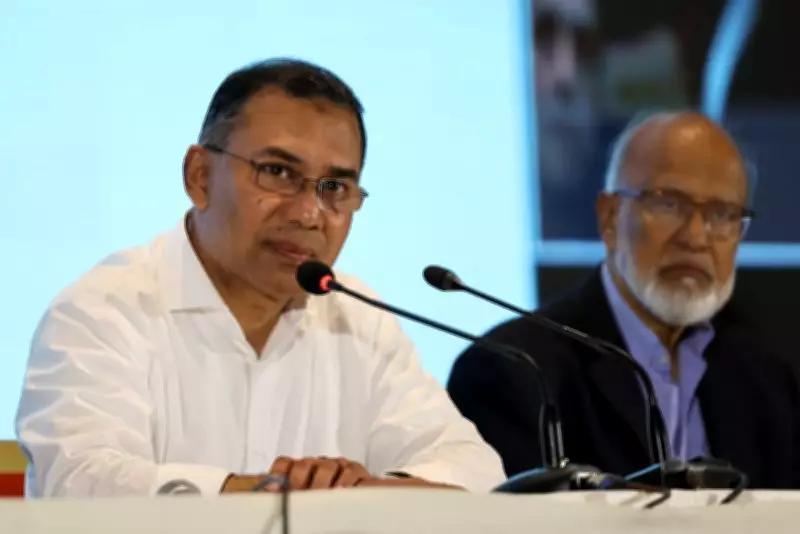
Bangladesh First Leader Tarique Rahman Articulates Foreign Policy Framework
In a significant political development, Tarique Rahman, the acting chairman of the Bangladesh Nationalist Party (BNP) and leader of the Bangladesh First party, has publicly unveiled his stance on foreign policy. This announcement marks a pivotal moment as it outlines the party's strategic vision for Bangladesh's international relations, focusing on sovereignty, regional stability, and global partnerships.
Core Principles of the Foreign Policy Vision
The foreign policy framework presented by Tarique Rahman is built on several key principles designed to position Bangladesh as a proactive and respected player on the world stage. Sovereignty and national interests are emphasized as the foundation, ensuring that all diplomatic engagements align with the country's developmental goals and security needs. Rahman stressed that Bangladesh must maintain its independence in decision-making while fostering mutually beneficial relationships.
Additionally, the policy highlights regional cooperation, particularly with neighboring countries like India, Myanmar, and Nepal, to address shared challenges such as trade, security, and environmental issues. Rahman advocated for enhanced dialogue and joint initiatives to promote peace and economic growth in South Asia.

Strategic Focus Areas and International Engagement
Rahman's foreign policy stance includes a balanced approach to global powers, aiming to diversify Bangladesh's alliances. He pointed out the importance of strengthening ties with traditional partners while exploring new opportunities with emerging economies. This strategy is intended to reduce dependency on any single nation and boost Bangladesh's leverage in international forums.
The policy also addresses critical global issues, including climate change and migration, where Rahman proposed that Bangladesh take a leadership role in advocating for vulnerable nations. He called for increased collaboration with international organizations like the United Nations to secure resources and support for sustainable development.
Implications for Domestic and International Politics
This foreign policy unveiling by Tarique Rahman is expected to influence both domestic political discourse and Bangladesh's diplomatic relations. By articulating a clear and comprehensive stance, the Bangladesh First party aims to distinguish itself from competitors and attract support from voters concerned about national security and global standing.
Internationally, the policy could reshape Bangladesh's interactions, potentially leading to new partnerships or adjustments in existing alliances. Observers note that Rahman's emphasis on sovereignty might resonate with other nations prioritizing independent foreign policies, while his call for regional cooperation could foster closer ties within South Asia.
In summary, Tarique Rahman's detailed foreign policy vision underscores a commitment to a sovereign, cooperative, and strategically engaged Bangladesh, setting the stage for future political and diplomatic developments.






