

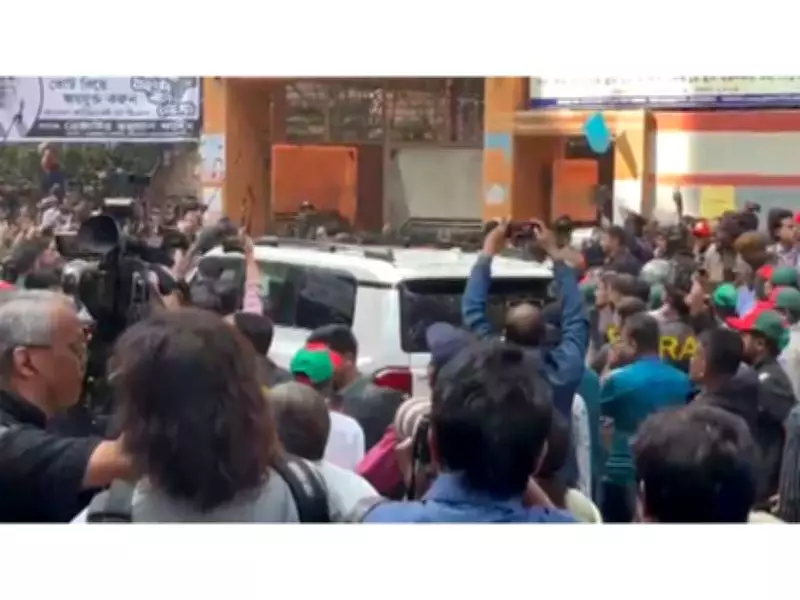
BNP Chairman Tarique Rahman Casts Vote in Bangladesh Parliamentary Elections
In a significant development during the Bangladesh parliamentary elections, Tarique Rahman, the chairman of the Bangladesh Nationalist Party (BNP), exercised his voting rights from London. This event underscores the active involvement of the BNP in the electoral process, despite the party's ongoing political challenges and the broader context of heightened political tensions in the country.
Details of the Voting Process
Tarique Rahman, who has been living in exile in London for several years, cast his vote through a postal ballot system facilitated by the Bangladesh Election Commission. The voting took place at the Bangladesh High Commission in London, where he was seen participating in the democratic exercise. This move is part of the BNP's strategy to maintain its political relevance and engage with the electoral framework, even as the party has faced allegations of boycotting previous elections and has been critical of the ruling Awami League government's handling of electoral affairs.
Political Implications and Context
The participation of Tarique Rahman in the elections comes amid a backdrop of intense political rivalry between the BNP and the Awami League. The BNP has accused the government of suppressing opposition voices and manipulating electoral processes, leading to widespread protests and calls for international intervention. By casting his vote, Rahman aims to signal the BNP's commitment to democratic principles and to mobilize its support base, both domestically and among the Bangladeshi diaspora. This action is expected to influence voter turnout and could potentially impact the election results, especially in constituencies with strong BNP allegiances.

Reactions and Analysis
Political analysts have noted that Tarique Rahman's vote is a symbolic gesture intended to bolster the BNP's image as a legitimate political force. It also highlights the role of expatriate Bangladeshis in the country's politics, as many overseas voters have been actively participating in the elections. The Bangladesh Election Commission has reported a smooth voting process for expatriates, with measures in place to ensure transparency and security. However, critics argue that the BNP's participation may not significantly alter the electoral landscape, given the party's limited organizational strength and the government's firm control over the electoral machinery.
In summary, Tarique Rahman's vote in the Bangladesh parliamentary elections marks a key moment in the country's political narrative, emphasizing the BNP's efforts to remain engaged in the democratic process despite facing numerous obstacles. The outcome of these elections will be closely watched by international observers and could have lasting implications for Bangladesh's political stability and governance.






