Trump Issues Stark Warning to Iran Following High-Level Meeting with Netanyahu
US President Donald Trump delivered a forceful message to Iran on Thursday, declaring that the consequences would be "very traumatic" for Tehran if it fails to reach a nuclear agreement with the United States. This warning came immediately after what Trump described as a "very good" meeting with Israeli Prime Minister Benjamin Netanyahu in Washington, where the two leaders discussed the ongoing nuclear negotiations.
Direct Threats and Historical References
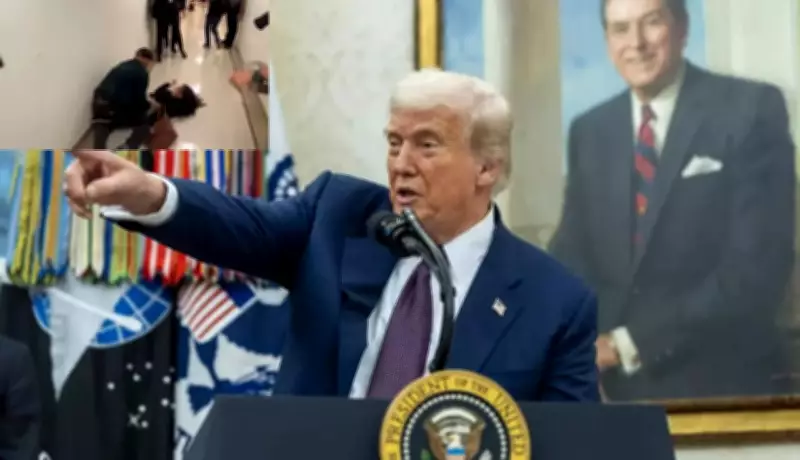
During a press conference, President Trump emphasized the urgency of reaching a diplomatic solution while simultaneously reminding Iran of previous military actions. "We have to make a deal. Otherwise, it's going to be very dramatic," Trump stated unequivocally. "I don't want that to happen, but we have to make a deal. They should have made a deal the first time, then they got Midnight Hammer instead."
The term "Midnight Hammer" refers to the June 2025 US military strikes on Iran's three primary nuclear facilities, a significant escalation that occurred when previous negotiations collapsed. Trump made it clear that similar consequences could follow if current talks fail, adding, "And this will be very traumatic for Iran if they don't make a deal. Look, if they don't make a deal, then it'll be a different story."

Netanyahu's Perspective on the Washington Discussions
Israeli Prime Minister Benjamin Netanyahu, speaking before his departure from Joint Base Andrews in Maryland, characterized his discussions with President Trump as "short but important." He emphasized the strength of the US-Israel relationship, describing it as "a close, genuine, and open relationship" with a president he called "a great friend of Israel — a president like no other."
According to Netanyahu, the conversations primarily focused on Iran but also addressed other regional issues including Gaza. He revealed that President Trump believes Iran can be compelled to accept favorable terms, stating, "The president believes the Iranians already understand who they are dealing with. [Trump] thinks the conditions he is setting, combined with their understanding that they made a mistake last time by not reaching an agreement, could lead them to accept terms that would make it possible to achieve a good deal."
Israeli Skepticism and Comprehensive Demands
Despite Trump's optimism about reaching an agreement, Prime Minister Netanyahu expressed significant reservations about the prospects of any deal with Iran. "I did not hide my general skepticism about the possibility of reaching any agreement with Iran," Netanyahu acknowledged. He made it clear to the White House that any potential agreement must address multiple concerns beyond just nuclear capabilities.
The Israeli leader outlined three critical components that any agreement must include:
- Resolution of nuclear development issues
- Restrictions on ballistic missile programs
- Addressing Iran's support for regional proxy forces
Netanyahu emphasized that these elements are "important to us, to Israel, and in my view also to the entire international community," indicating that Israel's security concerns extend beyond its own borders to regional stability.
Strategic Implications and Future Negotiations
The meeting between Trump and Netanyahu represents a crucial moment in Middle East diplomacy, with both leaders presenting a united front regarding Iran policy. While Trump maintains ultimate decision-making authority, as he noted ("it's ultimately up to me"), the alignment with Israel's security concerns suggests coordinated pressure on Tehran.
The reference to "Midnight Hammer" serves as a potent reminder of previous military actions, creating a backdrop of urgency for current negotiations. This combination of diplomatic engagement with explicit warnings creates a high-stakes environment for the next phase of nuclear talks, with potentially significant consequences for regional stability and international security arrangements.